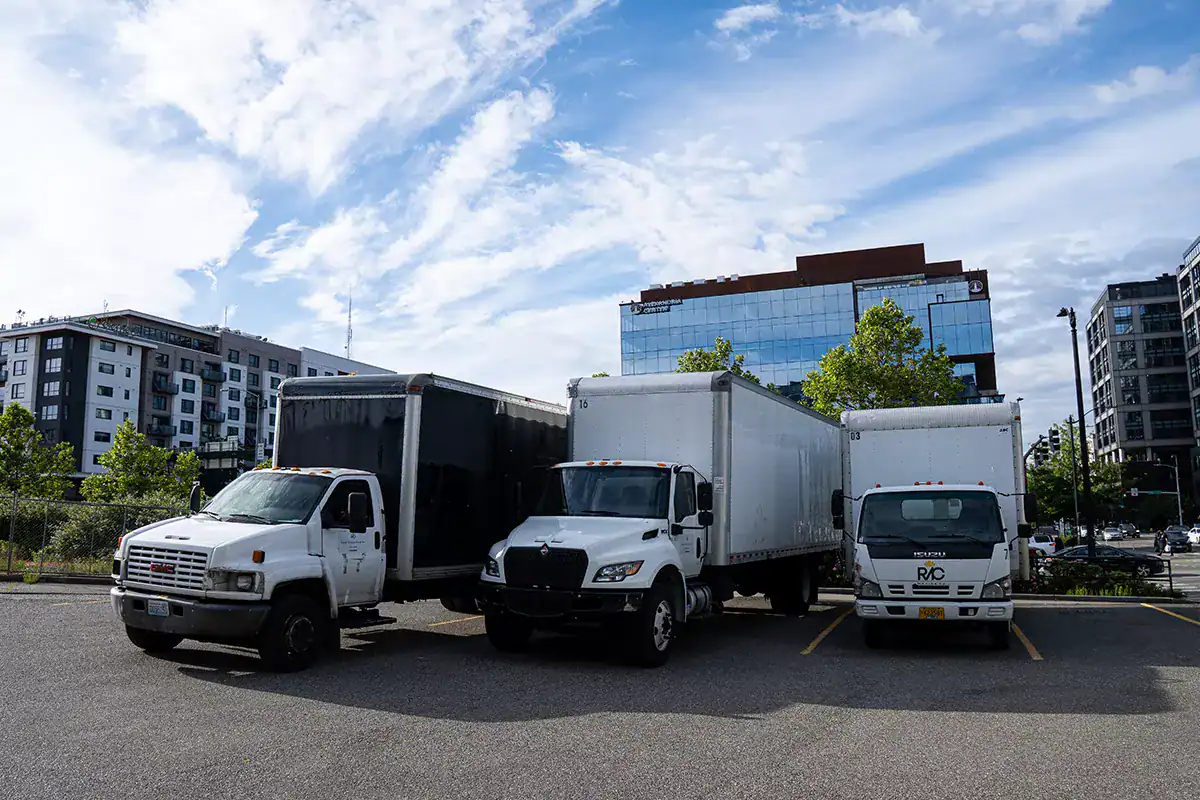
A laboratory is the least forgiving thing a mover can touch: instruments calibrated to tolerances a pothole can erase, samples and reagents with strict handling chains, and compliance obligations that follow the equipment wherever it goes. We move labs and medical facilities the way labs run: by written procedure, with documentation at every step, and nothing improvised. From a two-chair dental practice to a research floor, the template is the same: survey, document, sequence, verify.
Inventory, handling notes, and chain-of-custody records travel with the equipment, because in this world the paperwork is part of the cargo.
Labs Do Not Move on Muscle. They Move on Method.
The standard moving industry has no answer for a mass spectrometer, a biosafety cabinet, or a clinic's diagnostic suite, and the proof is in the horror stories researchers trade. Royalty Moving & Storage runs medical and laboratory relocations as procedure-first projects: a detailed equipment survey with your lab manager, manufacturer transport requirements pulled for sensitive instruments, vendor decommissioning and recommissioning coordinated where calibration demands it, and a written move plan your compliance officer can actually file. Crews handling these jobs are briefed per instrument, not per truckload. Where biosafety levels, regulated materials, or controlled substances are involved, the plan defers explicitly to your compliance officer's requirements rather than improvising around them.
The physical work matches the paperwork: anti-vibration handling and rigid packaging for sensitive instruments, upright-only transport where orientation matters, padded and enclosed equipment paths through both facilities, and staging that keeps critical systems down for the shortest defensible window. Clinics, dental practices, research labs, and diagnostic facilities all run on the same disciplined template, scaled to the equipment list. Imaging suites, dental operatories, physical therapy equipment, and optical labs all fall inside the practice, each with its own transport notes in the plan.
Six requirements every medical and laboratory move here is built around. Together they turn a high-risk facility move into a sequence of small, verified steps.
Instrument-Level Planning
Each sensitive instrument gets its own line in the plan: transport spec, orientation, packaging, and who recommissions it on the other side. Nothing sensitive rides as general freight.
Vendor Coordination
Manufacturers and service vendors handle decommissioning and recalibration where warranties and accuracy demand it; we sequence the move around their windows.
Chain of Custody
Equipment, samples where permitted, and records travel against signed inventories, so custody is documented rather than assumed.
Anti-Vibration Handling
Air-ride awareness, rigid casing, and padded routes protect the calibrations that make the equipment worth moving at all.
Downtime Compression
Clinics and labs lose revenue and research time when dark; the sequence is built to reopen critical functions first. Patient and research calendars drive the sequence, not truck convenience.
Compliance-Ready Records
The move file, inventories, handling notes, and sign-offs, is formatted so your compliance and asset teams can use it directly.
Four documented stages between the old bench and the first day back online. The plan circulates to your lab manager, compliance officer, and vendors before anything is scheduled.
01
Equipment Survey
Every instrument and asset listed with your lab manager, transport specs identified.
02
Written Move Plan
Sequencing, vendor windows, packaging specs, and a flat cost, all in a plan you can file.
03
Controlled Relocation
Briefed crews execute per instrument, with custody documented at each handoff.
04
Recommission and Verify
Vendors recalibrate on schedule, and the facility returns to service in planned order.
Medical and lab crews serve hospitals, clinics, research facilities, and diagnostic practices across the metro's healthcare corridors. Practices relocating within a medical building, suite to suite, get the same instrument-level discipline at a smaller scale.
1. How much does a lab or clinic move cost in Seattle?
Equipment density and sensitivity drive the number far more than square footage: a dental practice prices differently from a research lab with instrument benches. The survey produces a single transparent written cost that already includes vendor coordination, which is the figure your administrator actually needs. Phased moves, half the facility at a time, are priced the same transparent way.
2. Can you move calibrated instruments without voiding warranties?
That is precisely what the vendor-coordination layer exists for: manufacturers or authorized service vendors decommission and recommission where warranty and calibration require it, and we execute the transport leg to their published specs.
3. Do you handle samples and refrigerated materials?
Within the rules: where regulations permit transport, it runs on documented cold-chain timing coordinated with your staff; where they require specialist couriers, we sequence around them honestly rather than pretending.
4. How do you minimize our facility's downtime?
By reopening in priority order: the survey identifies which functions must come back first, and the sequence loads, moves, and recommissions to that priority rather than to truck convenience. For clinics, that usually means the schedule and the phones first; for labs, the instruments your active work depends on.
5. Can you work nights and weekends around patient schedules?
Yes, and most clinic moves run exactly that way: equipment moves after the last appointment, and the facility reopens for the first one. Call (206) 278-2134, and we will plan around the appointment book.
6. What documentation do we receive?
A complete move file: the equipment inventory, handling and orientation notes, custody sign-offs, and the executed schedule, formatted for your compliance and asset-management records. Asset-tag reconciliation against your register can be included where your finance team tracks equipment that way.
7. Are you licensed and insured for medical moves?
Yes. Royalty Moving & Storage operates under Washington UBI #605117720 and household goods permit THG070945, with the commercial coverage healthcare facilities and their landlords require.