Seattle Movers
Royalty Moving & Storage is among the top movers Seattle homeowners and companies choose for local and long-distance moving services with clear pricing and professional support.
AS REVIEWED ON



Get your FREE quote
Royalty Moving & Storage is among the top movers Seattle homeowners and companies choose for local and long-distance moving services with clear pricing and professional support.
AS REVIEWED ON
Get your FREE quote





Royalty Moving & Storage handles the moves Seattle actually throws at people: a studio coming out of a Belltown or South Lake Union high-rise on a reserved elevator window, a hillside house in Queen Anne or Magnolia with a steep approach and no driveway, a townhome on a narrow Fremont street, or a ferry-timed relocation over to Bainbridge, Vashon, or across the water to Bremerton and Kitsap. Our crews know the buildings, the grades, and the access rules before the truck arrives, so the day runs on schedule instead of on guesswork. From a one-bedroom local move to a long-distance relocation out of state, we plan each step around how your specific move has to happen.
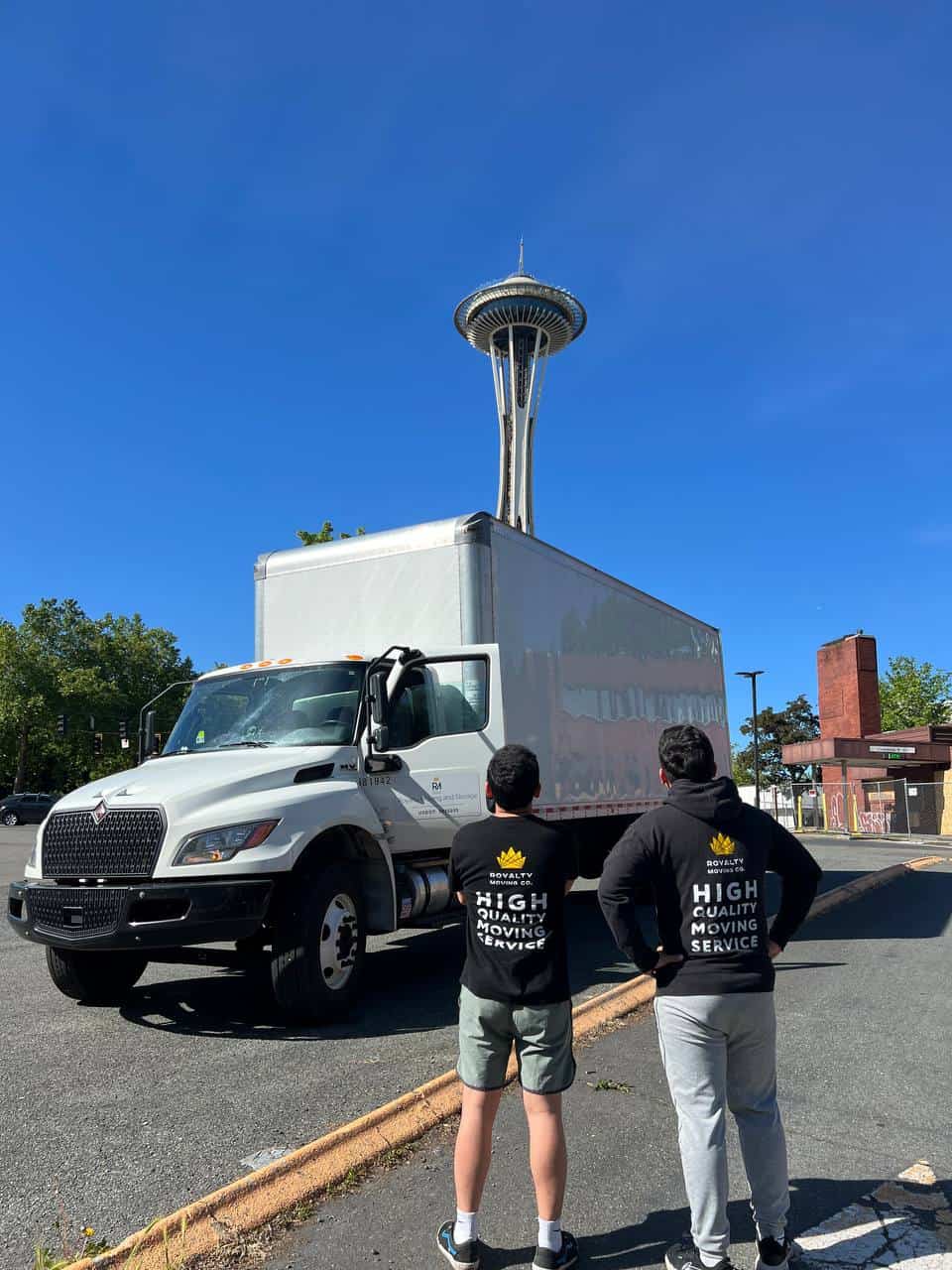


Hire our Royalty team of local Seattle movers and relocate anywhere in the King County area swiftly and safely.

Move your household seamlessly with one of the most reputable residential moving companies in Seattle.

Aided by our skilled Seattle commercial movers, you can move your business without neglecting it or slowing it down.

With years of long-distance moving experience, we understand and diminish the stress and anxiety of moving hundreds of miles away to a new home.

Use our years of expertise in handling furniture to your advantage. Royalty Moving Company crew will take proper care of every single piece of your furniture.

Not every move lands cleanly on both ends. Lease overlaps, closing delays, and office transitions create gaps where your belongings need a safe place to wait. Royalty Moving & Storage operates secure storage facilities across the greater Seattle area, with options built around how you actually move.

Moving in Seattle takes more coordination than most cities. The layout, the weather, and the building rules all shape how a move has to run. Downtown and South Lake Union towers often require a reserved loading dock, a booked freight elevator, and a certificate of insurance filed days ahead. Arterial streets may need an SDOT street-use permit so the truck can stage legally, and that paperwork has its own lead time. Neighborhoods like Queen Anne, Capitol Hill, and Wallingford add steep grades, narrow platted streets, and tight parking that a crew has to plan around rather than discover on arrival.
We account for all of it in advance. Our team maps elevator and dock windows, secures parking and permits where they are needed, routes Eastside moves around the I-90 and SR-520 bridge traffic, and keeps your belongings dry through the rainy months with proper wrapping and covered loading. We stay responsive from the first call through the final box, arrive prepared, and handle every item with consistent care. Whether you are relocating within Seattle, out to Bellevue or Redmond, north to Everett, or across the country, we run a well-managed move built around the pace and terrain of the city.
Prefer to pay over time rather than all at once?
Prequalify for financing today.
.svg)

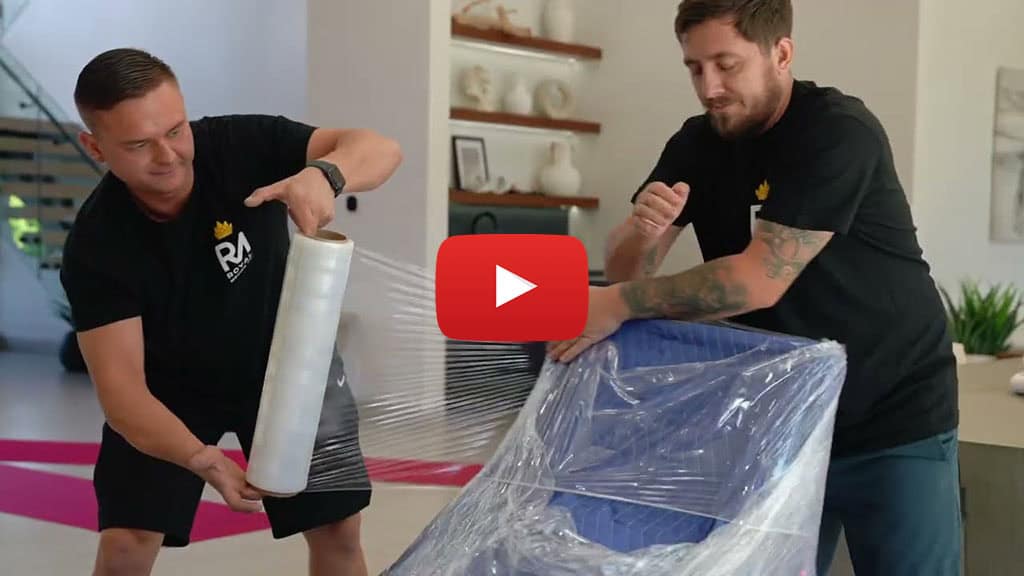

With the trust and support of our valued clients, Royal Moving & Storage aims to provide you with exceptional service.


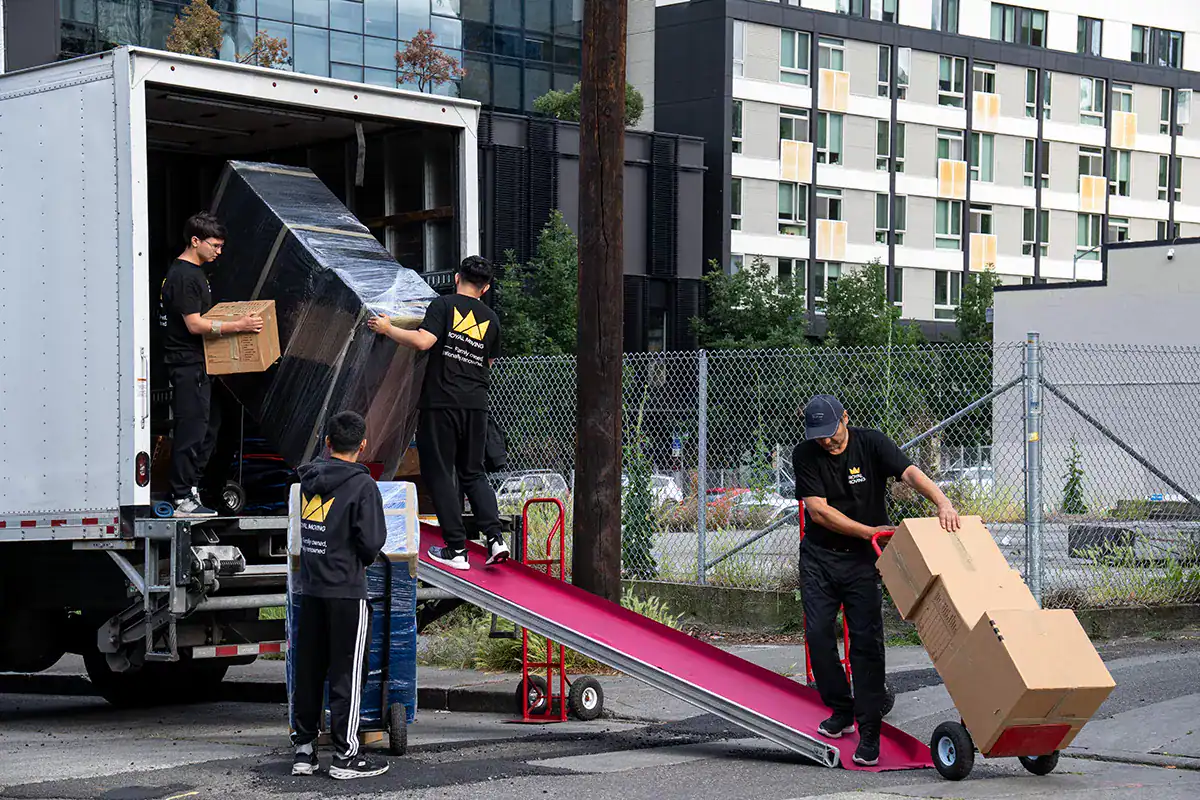
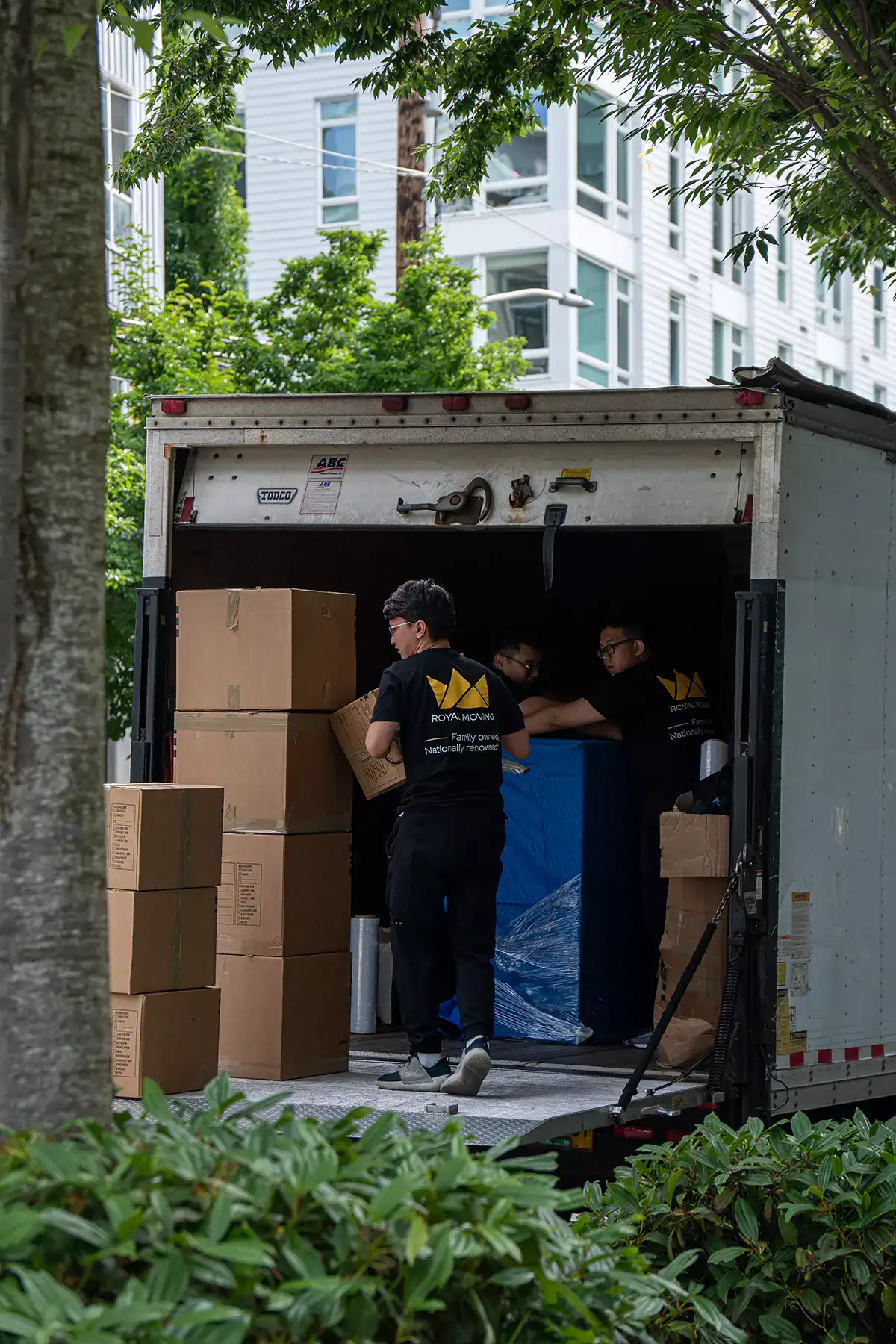
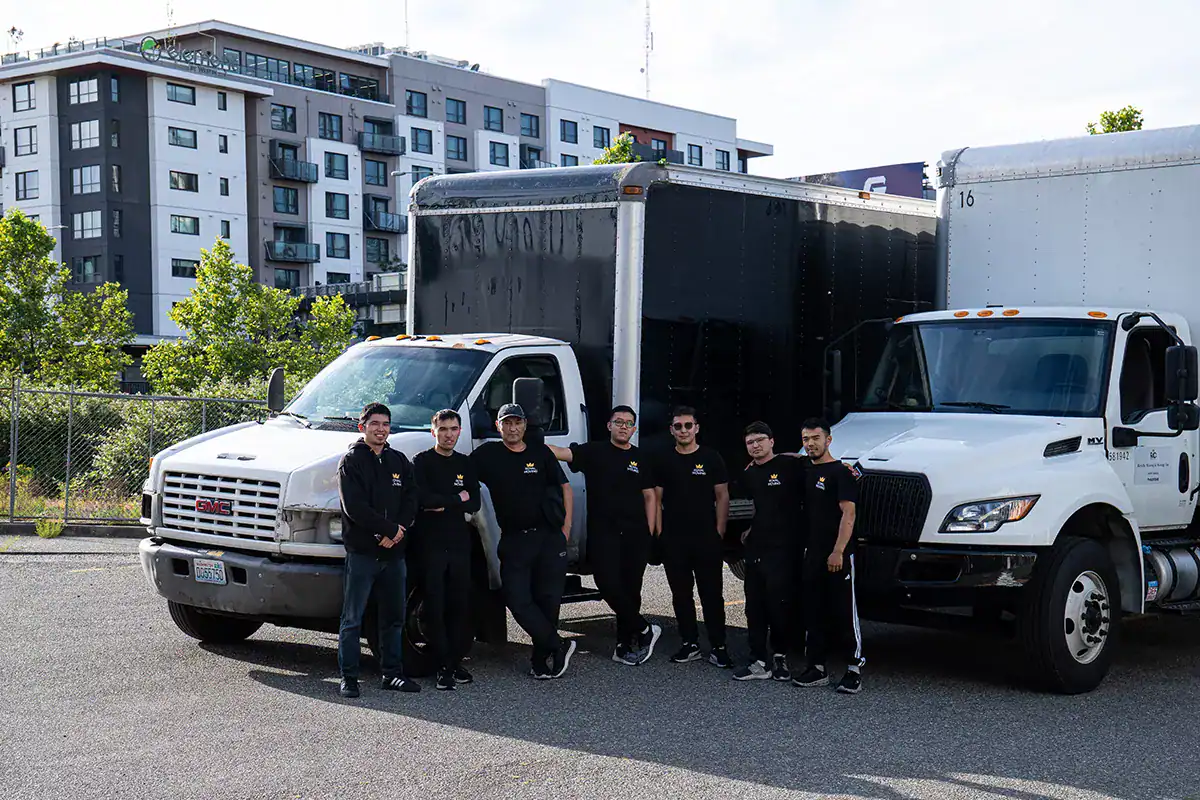
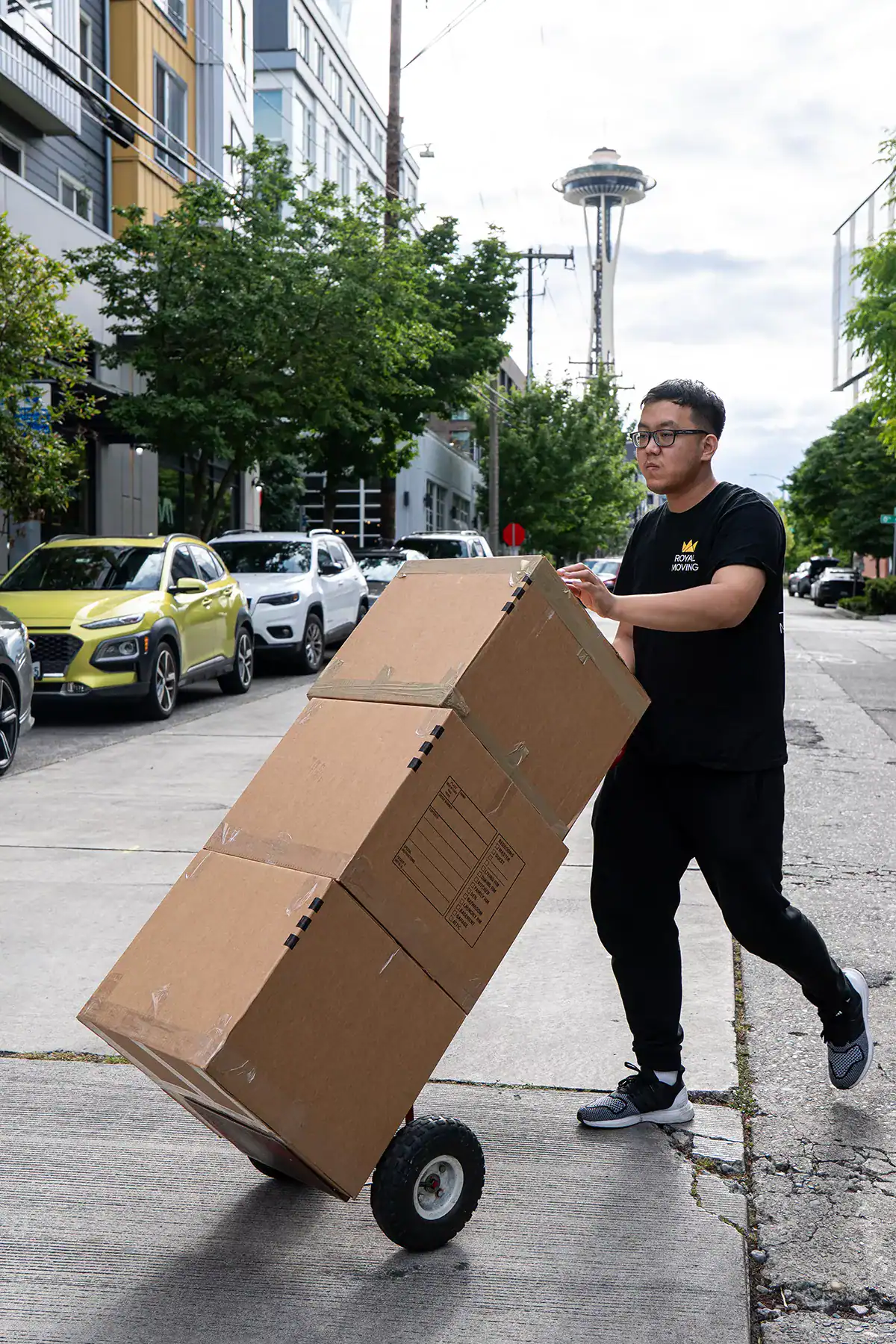
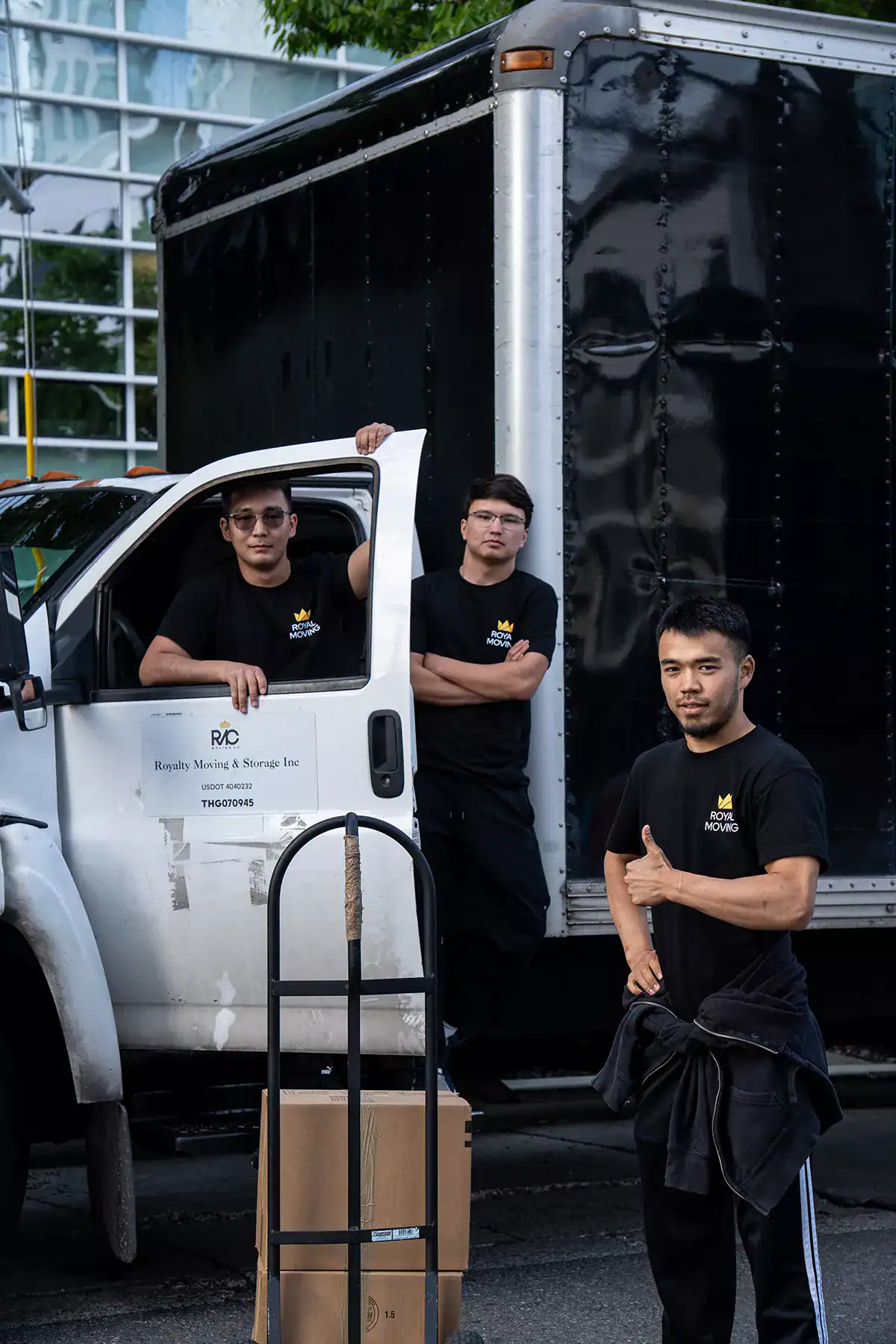
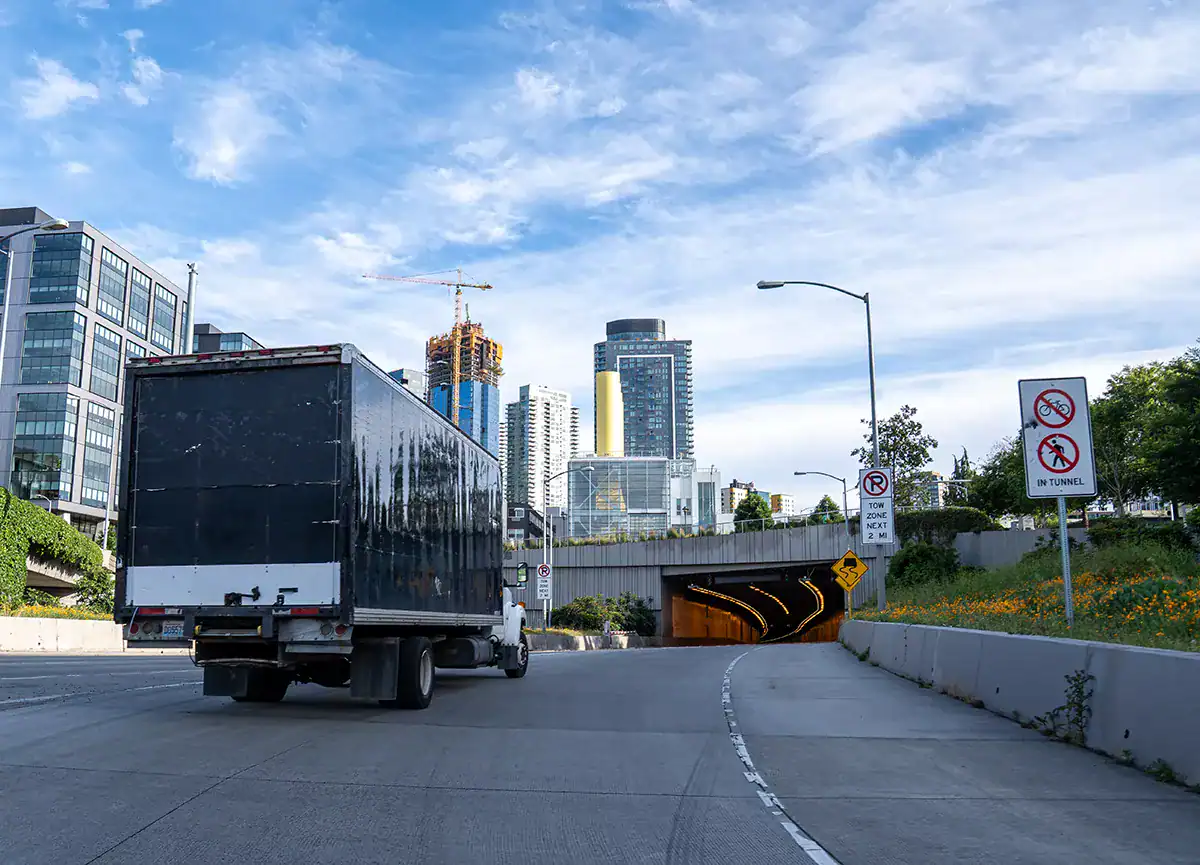
Seattle is built on hills between two bodies of water, and geography decides most of what a move here involves. Lake Washington splits the city from the Eastside, the ship canal splits north from south, and a handful of bridges carry everything between them. Add the suburbs of King and Snohomish counties and the metro stretches from Everett down to Federal Way. Below is how the parts of the region actually tend to move, drawn from the jobs our crews run week in and week out.
The towers downtown and the newer buildings in South Lake Union and Denny Triangle run on building logistics. That means a reserved freight elevator, a booked dock window, and a certificate of insurance on file before the truck arrives. Alleys serve as loading access on many of these blocks, and the dock time slot is often the only window available all day. We handle the paperwork and the permit ahead of time and work inside each building’s move hours. The same blocks hold most of the region’s office moving work. Those jobs usually run after hours or across a weekend.
Capitol Hill is dense, steep, and short on curb space. Older walk-ups and converted houses line the blocks off Broadway and 15th. Most have no elevator and no driveway, so the job runs on the stairs and the sidewalk. First Hill adds mid-rise buildings with strict move windows and shared service elevators. Parking is metered or restricted almost everywhere, so curb space has to be reserved in advance. Buildings like these are steady work for the apartment moving crews.
Queen Anne is the hill that defines a Seattle move. The streets up the south slope are steep enough that truck placement decides the day. The older homes on top add long staircases and narrow entries. Magnolia is quieter and greener but just as hilly, with winding streets and homes set well above or below the road. Fremont and the blocks along the canal mix small apartment buildings with older houses. Grand pianos and antiques turn up often in these homes, so a piano crew is frequently booked onto the same day. High-value interiors get the white-glove treatment for floor and wall protection.
North of the canal, the streets flatten and the housing settles into Craftsman bungalows and four-squares on narrow lots. Ballard and Wallingford also hold a wave of newer townhomes packed three and four to a lot, with tandem garages and no real frontage for a truck. Full basements and finished attics are common in the older houses, which adds carries that do not show up on a room count. Booking full-service moving covers the packing and the carry when a house holds years of storage.
West Seattle runs on bridge timing more than anything else. The route in and out is limited, so the start time matters as much as the address, and we plan the run around the worst of the backup. The neighborhoods themselves are a mix of older homes on quiet streets and newer apartment buildings along California Avenue. Farther south, Beacon Hill, Columbia City, and Rainier Valley hold older housing on sloping lots. The residential moving crews cover most of this work. When a sale closes before the next place is ready, storage bridges it.
Across the lake, the metro turns suburban and the loading gets easier. Bellevue, Kirkland, and Redmond mix high-rise condos downtown with subdivisions and large apartment complexes, most with real driveways and open access. Mercer Island, Clyde Hill, and the waterfront blocks of Kirkland bring larger homes on steep, wooded lots where the driveway decides the truck. The Eastside also drives the corporate relocation and employee relocation work. Tech campuses out here move staff in and out year round.
North of the city limits, Shoreline, Edmonds, Lynnwood, and Bothell are settled residential communities with wide streets and easy staging. Farther north, Everett, Mill Creek, and Marysville add newer subdivisions and a longer run back to town. Long-tenure households are common across the north end, which usually means full garages, full basements, and decades of belongings. Most of that work falls to the local moving and senior moving teams.
Renton, Kent, Auburn, Tukwila, and Federal Way sit along the valley south of the city. The housing runs from older ramblers to large newer developments, and access is rarely the problem down here. Distance and traffic on I-5 and 167 shape the schedule instead. Warehouses and light industrial space fill the valley floor as well. Heavy or oversized pieces on those jobs go to the furniture moving crew.
Plenty of moves do not stay in Washington. Crews load in the Puget Sound area and run dedicated transport out of state, whether the destination is Portland, the Bay Area, Denver, or the East Coast. The long-distance team handles the whole route on one crew and one truck where the job allows.
Every Seattle move comes down to three questions, and all of them get answered before move day. Where does the truck legally sit? Inside the city, temporary no-parking permits are issued by the Seattle Department of Transportation, and signs go up in advance. Bellevue, Kirkland, Everett, and the rest of the metro each run a separate process, so the address determines who we file with. How close can the crew get to the door? That is the elevator reservation, the alley or dock window, the stair count, the basement, and the grade of the driveway, all confirmed ahead of time. What is the weather doing? Rain is a given most of the year. Floor runners and wrap protect anything crossing a wet sidewalk, and a slick hillside driveway changes where the truck parks.
The cost of a local move in Seattle depends on the size of the move, the number of movers required, access at each property, and the total time needed. Stair carries in walk-up apartments, basement and attic access in older homes, freight elevator and alley dock reservations, certificate of insurance requirements, temporary no-parking permits, steep hillside driveways, and packing services can all affect the price. The ranges below show typical estimated totals for local Seattle moves with a standard inventory and normal access conditions. Your written estimate will be prepared around the details of your move.
| Move Size | Typical Crew | Typical Estimated Total |
|---|---|---|
| Studio or room | 2 movers | $420 – $700 |
| 1-bedroom home | 2–3 movers | $600 – $1,050 |
| 2-bedroom home | 3 movers | $900 – $1,600 |
| 3-bedroom home | 3–4 movers | $1,600 – $2,750 |
| 4+ bedrooms or complex access | 4+ movers | Custom estimate |
*Estimated totals apply to local Seattle moves with a standard inventory and normal access conditions. Your estimate may vary based on inventory, distance, stairs, basements, elevators, long carries, alley or dock access, parking permits, packing materials, specialty items, and additional services. Moves to the Eastside, the north end, and south King County are quoted the same way. If the requested scope changes, additional work or materials will be documented and approved before they are added. Long-distance moves are estimated separately.
Additional packing materials, specialty-item handling, storage, parking permits, building fees, and certificates of insurance are listed separately when applicable.
Local crews covering Seattle, the Eastside, Snohomish County to the north, the south Sound, and communities across the greater Puget Sound region.

When moving in Seattle, you might need a street use permit if your moving truck will block traffic or use public right-of-way spaces. Royalty Moving Company Seattle can help you understand the specific requirements and even assist in obtaining the necessary permits for a hassle-free move day in Seattle’s busy streets.