Renton in Full
Renton’s Key Figures
Renton’s 105,000 residents fill the south end of Lake Washington, 12 miles southeast of Seattle, where I-405 meets SR-167 and SR-169. The valley floor carries downtown, the airport, and the Boeing plant; the hills carry the Highlands, Benson, Talbot, and Kennydale neighborhoods. The Cedar River runs through the city center to the lake, Gene Coulon Park lines the shore, and the Sounder stops at Longacres on the city’s west side.
Coal, Clay, and the 737
The river confluence here anchored Duwamish villages for generations, and the 1916 lowering of Lake Washington rewrote the map around them, drying the Black River outright. Coal mining opened in the 1870s, the Seattle and Walla Walla railroad hauled it out, and Renton clay fired the bricks and pavers that built early Northwest cities. Incorporation came in 1901.
War work brought Boeing to the lakeshore in the 1940s, and the plant never left, producing bombers, then 707s, then the 737 line that made it the most productive commercial jet factory anywhere. PACCAR’s truck history runs nearly as deep. The Landing rose on surplus Boeing land in the 2000s, downtown’s renewal followed, and the Highlands’ postwar housing now anchors one of Washington’s most internationally diverse cities.
A Renton Move, Step by Step on the Ground
The valley-and-hill split decides the plan. Downtown and the lakefront load easily on flat, gridded streets, but the bulk of Renton’s households sit up grades where driveway angle, street width, and carry distance all matter. We scout the hills property by property.
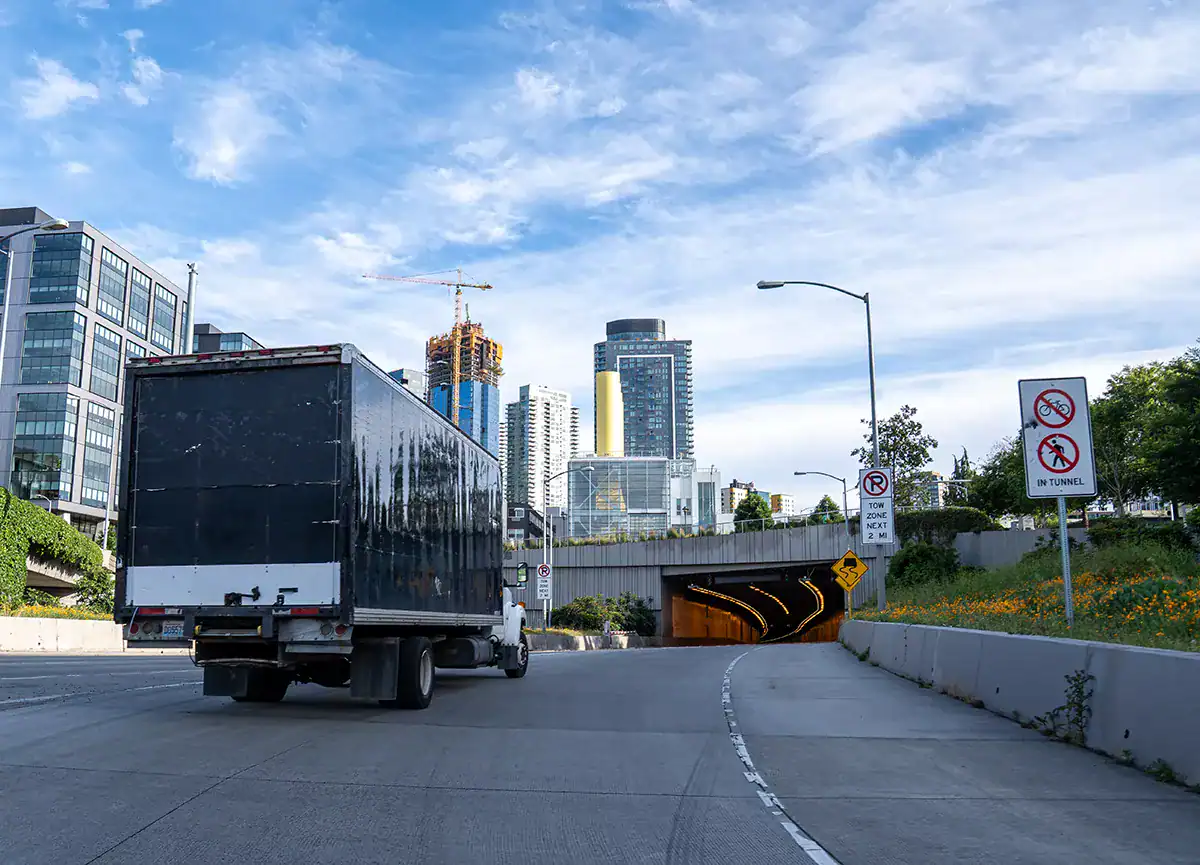
I-405 and SR-167 set the traffic clock, stacking at fixed hours, and Boeing shift changes pulse the lakefront arterials. Loaded legs run between those waves. Downtown and Landing apartments add managed elevators and loading areas, which get booked with the office before move day.
The older homes near the Cedar River reward preparation: narrow doors, original trim, and stairs that need full protection from the first carry.