


How to Pack Pictures and Paintings When Moving
 Written by Vlad IglinWritten by Vlad Iglin
Relocating your cherished paintings and pictures demands the utmost attention, especially when you pack pictures and paintings when moving to another home or storing them. Beyond their monetary value, many of these artworks likely hold immense sentimental significance to you, making any damage heart-wrenching. It’s crucial to handle them with care to ensure they reach your new abode unscathed. Interestingly, the primary threat to your paintings and photographs isn’t external factors but us humans. Let Royal Moving & Storage guide you on mitigating these risks with the following guide.
When it’s time to pack pictures and paintings when moving, the threats to your artwork are varied:
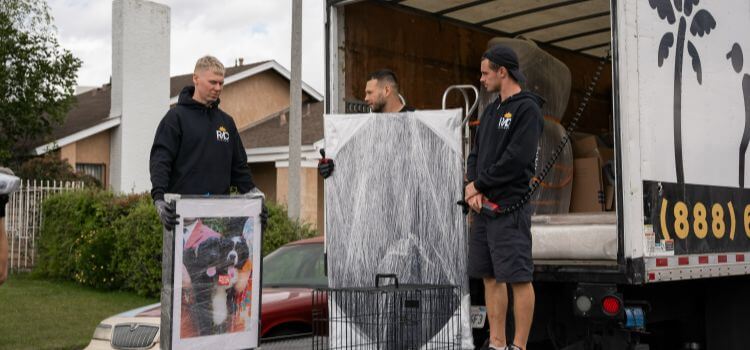
When you’re gearing up for a relocation, understanding the nuances of how to handle art is paramount. Our moving services Los Angeles providers know how tricky this can be. To truly safeguard your artwork during transitions, minimize direct interaction. Simply shifting them within your space exposes them to potential threats like fluctuating temperatures, varying humidity levels, jarring movements, pests, or even the unnoticed natural oils from your hands. Recognize that specific artworks, such as pastels, watercolors, ivory items, parchments, multi-material art pieces, ceramics, glass, and textiles, are particularly susceptible.
When moving cherished photographs and paintings, it’s crucial to exercise some basic precautions, such as:
All reputable residential movers Los Angeles that deal with specialty items like this use these precautionary measures when they work, and so should you if you opt for the DIY approach.
When preparing to pack pictures and paintings when moving, never skimp on packing materials. Old cardboard often harbors unwanted dust, and newspapers, with their transferable inks, can tarnish your valuable artwork. Instead, invest in premium packing tape, bubble wrap, corner guards, Styrofoam, moving blankets, and bespoke boxes that ensure a snug fit. A sharp utility knife will be indispensable for cutting materials to precise dimensions.
Packing artworks like paintings and pictures entails meticulous care due to their inherent fragility – be it frames, glass coverings, canvases, or sensitive prints. Here’s a step-by-step approach to ensure your art remains pristine:
If you don’t want to bother with any of these steps, our apartment movers Los Angeles are well-versed in moving artwork so that you can count on them for unparalleled care and service.
When you need to pack pictures and paintings when moving, a tailored box is paramount. It might seem complicated to do, but expert packing service Los Angeles providers make one in minutes. In case you don’t have a specialty box, you will have to build one.
So, Acquire a large cardboard box or get cardboard sheets from a craft store. Lay the cardboard flat and position your frame or canvas, wrapped in Styrofoam with corner protectors, on top. Using a pencil, trace around the artwork’s Styrofoam and then draw an additional border half its width. Remove the artwork, and with a razor knife, lightly cut around the inner outline for easier bending. Cut out the outer border completely. Repeat for a second piece of cardboard. Flip and fold these pieces at the cuts to form box-like halves. Place your artwork in one half, cover it with the second, and securely tape them together, ensuring no tape contacts the art.
While paintings and photographs have their own set of vulnerabilities, relocating sculptures and other forms of non-painting art presents unique challenges. Materials like bronze, stone, ceramic, or mixed media demand different care. For fragile sculptures, internal supports or custom crating might be necessary to prevent movement during transit. Larger sculptures may require specialized equipment for lifting and transporting. It’s crucial to understand the material-specific risks: for instance, bronze might tarnish or corrode if exposed to certain elements, while ceramics could crack if subjected to sudden temperature changes.
Moreover, sculptures with protruding elements, like extended arms or delicate details, require extra protection. Using soft padding or bubble wrap can shield these delicate parts. Additionally, sculptures often have a center of gravity that needs to be considered when packing and moving, ensuring that they don’t tip or fall during the process.
After diligently taking efforts to pack pictures and paintings when moving, ensuring they reach your new home undamaged is the next big step. If handling the transportation yourself, be cautious: avoid abrupt stops or sharp turns, and use pillows or blankets to buffer the artwork. Always secure the item against stable objects in your vehicle. Transporting paintings and prints on their edges is advisable, overlaying them flat to prevent objects from falling onto them. However, if your vehicle can’t accommodate the art, or if the move is significant, consider entrusting it to experts like long distance moving companies Los Angeles. Clearly label the box as “fragile” and brief the team about its precious contents.
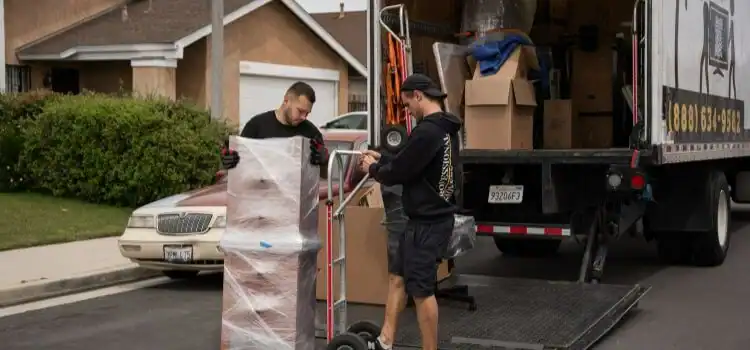
Once you’ve made the effort to pack pictures and paintings when moving, their safety in your new location becomes paramount. Here’s a guide to ensuring their well-being:
Relocating involves handling myriad glass components – from table surfaces and mirrors to the protective glass for artwork. Ensure the safety of these delicate items and the people involved in the move with these steps:
Shifting your belongings becomes a breeze when you engage professionals. They are adept at handling intricate and treasured items like photos and paintings. Reputable Los Angeles interstate movers bring a team of seasoned specialists to the table, all of whom are fully licensed and insured to transport both your everyday and precious items. For novices, packing can be an intimidating, time-consuming task – especially packing artwork. However, with experts like those at Royal Moving Co., you get the dual benefit of premium packing materials and skilled handling. They not only ensure your art pieces are packed with utmost care but also offer unpacking services if desired. If you’re keen on a DIY move, heed our tips to prevent potential mishaps.
Art is more than just an aesthetic addition to our spaces; for many, it represents a significant financial investment and an emotional connection. When it’s time to pack pictures and paintings when moving, ensuring their safety is paramount. This is where art insurance comes into play. Unlike standard insurance, art insurance caters specifically to the unique needs of artworks. Beyond the obvious risks of transportation, artworks can be susceptible to environmental damage, theft, or accidents during display. An art-specific insurance covers these nuances. It is based not only on the artwork’s market value but often considers its provenance, historical significance, and even emotional value to the owner.
It’s essential to have your artwork appraised by professionals to determine its correct value. This ensures that in the unfortunate event of damage or loss, you’re compensated appropriately. Moreover, with a changing art market, periodic re-evaluations are recommended to update your insurance coverage accordingly.
In the unfortunate event of artwork damage, swift and informed action is essential. Begin by documenting the damage comprehensively through clear photographs from various angles, as this will aid in insurance claims and help restoration experts assess the extent of the harm. Resist the temptation to attempt DIY fixes, as unprofessional efforts can worsen the situation; instead, consult a conservator or restoration expert for guidance. Don’t forget to notify your art insurance provider about the damage, providing them with the documentation they require for processing your claim. If moisture exposure is a concern, maintain a controlled environment to prevent mold or further deterioration. Finally, seek the expertise of professional art restorers, as many artworks can be expertly restored to their original or near-original condition.
As you can see, in order to pack pictures and paintings when moving, you must be patient, have some time, and some skill. Artwork is not something that can be easily replaced – that is why we never recommend packing art yourself. Many things can go wrong, and if professionals are not in the picture, there is no one there to help you. You will have wasted time and energy, only to end up with damaged items – and that is the worst thing that can happen when moving. Don’t let that happen to you!