Getting to Know the San Fernando Valley
How the Valley Is Laid Out
The San Fernando Valley sits in the northern part of Los Angeles, ringed by mountains and making up a large share of the city. About 1.8 million people live across it, in a mix of City of Los Angeles neighborhoods and independent cities like Burbank, Glendale, Calabasas, Hidden Hills, and San Fernando. More than 30 distinct neighborhoods spread through the Valley, among them Woodland Hills, Sherman Oaks, Studio City, Northridge, Valley Village, and the Warner Center business district. Each carries its own feel, from quiet tree-lined blocks to busy commercial hubs.
The Valley runs on its freeways. The 101, 405, 5, 118, and 170 tie it together and connect it to the rest of Los Angeles, with downtown about 20 minutes away on the 101 outside of heavy traffic. It is a car-centric area, though Metro serves it and a new light rail line is planned for the east Valley.
From the Portolá Expedition to the First City of the Valley
Long before the freeways, the Valley was home to the Tongva, Tataviam, and Chumash peoples, who settled its well-watered, wooded areas. Spanish explorers arrived with the Portolá expedition in 1769, and the land passed through Spanish, Mexican, and American hands over the next century. San Fernando became the first organized community in 1874, earning the title “First City of the Valley.” The area grew steadily into the dense, diverse region it is today.
Why People Move to the Valley
Space and value bring many people to the Valley. Homes here tend to be more attainable than on the Westside and across much of Los Angeles, and the warm, sunny weather runs most of the year. Outdoor access is close at hand, with Lake Balboa Park, the trails of the Santa Monica Mountains, and open space scattered through the foothills.
The Valley is also the center of the film and television business, home to Warner Bros., Walt Disney, Universal, and DreamWorks. Culture runs deep beyond the studios, from the restored automobiles of the Nethercutt Collection to the retro signs and artifacts of the Valley Relics Museum and the quiet of the Japanese Garden in Van Nuys. Dining spans cuisines from around the world, and shopping ranges from the long Ventura Boulevard corridor to malls like Westfield Topanga and the Northridge Fashion Center.
What a San Fernando Valley Move Really Involves
The Valley covers a lot of ground, so the first thing we plan is the route and the timing. Summers run hot, and the freeways back up at peak hours, so we set the schedule to keep the crew and your belongings out of the worst heat and traffic. Distances between neighborhoods can be longer than people expect, and we account for that in the plan.
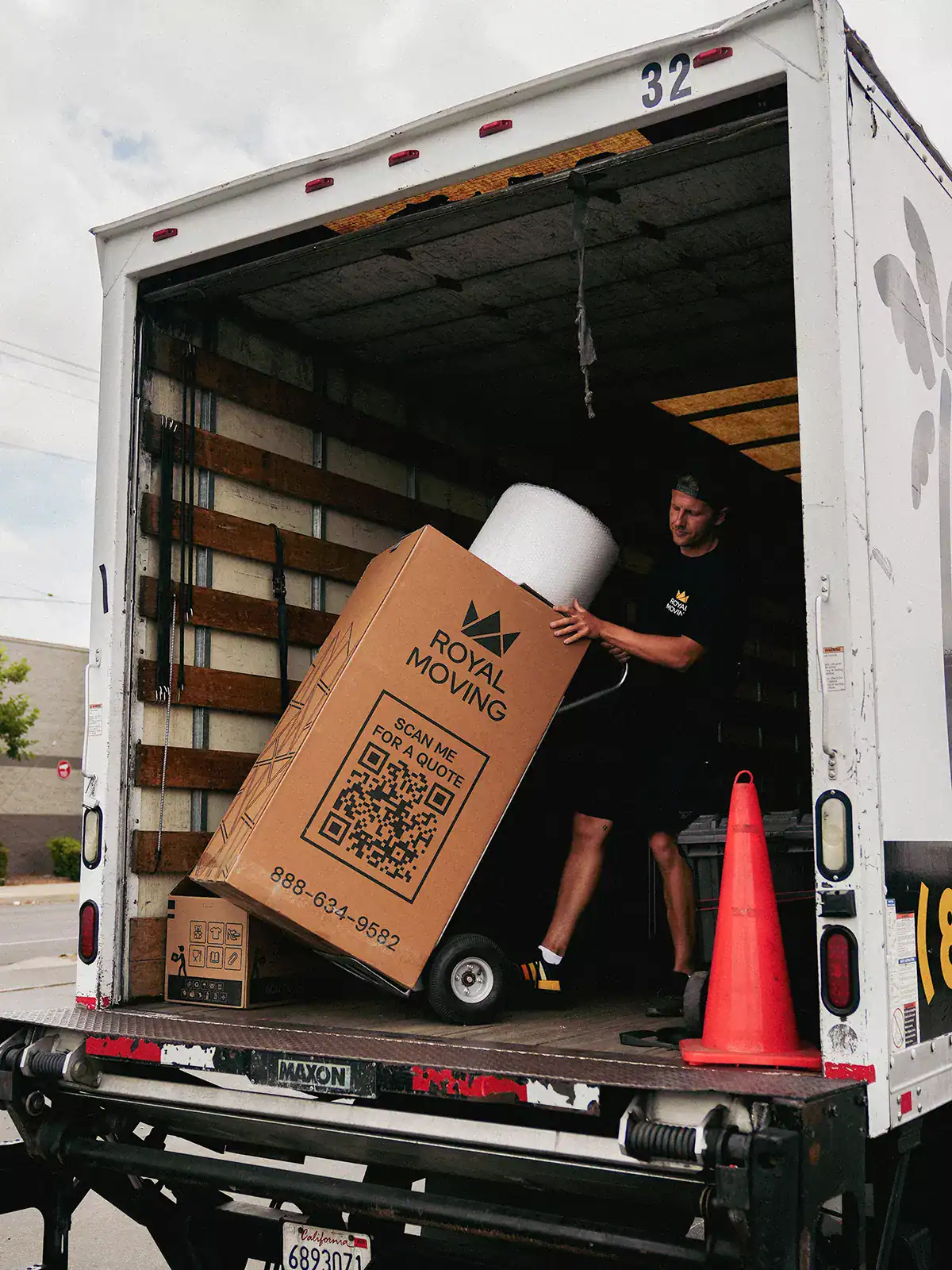
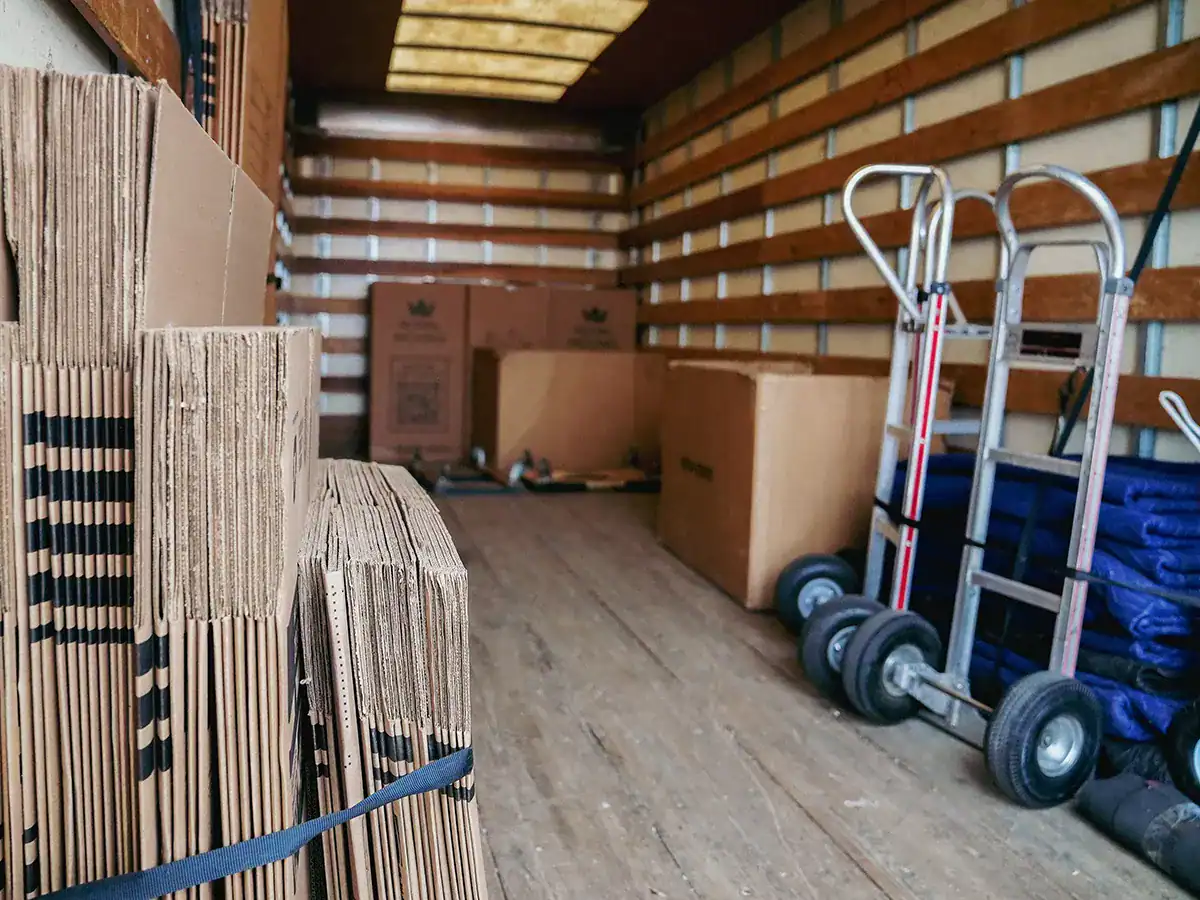
The homes set the pace on move day. Hillside neighborhoods like Studio City and parts of Woodland Hills have narrow, winding streets, so we bring a truck sized to the block and stage where it fits. Apartments and condos along the Ventura corridor and the busier hubs come with elevator reservations, loading windows, and certificate-of-insurance rules through building management, all of which we arrange ahead of the day. We check access in advance and bring the equipment to protect doorways, floors, and the home itself, so nothing stalls once we are there.