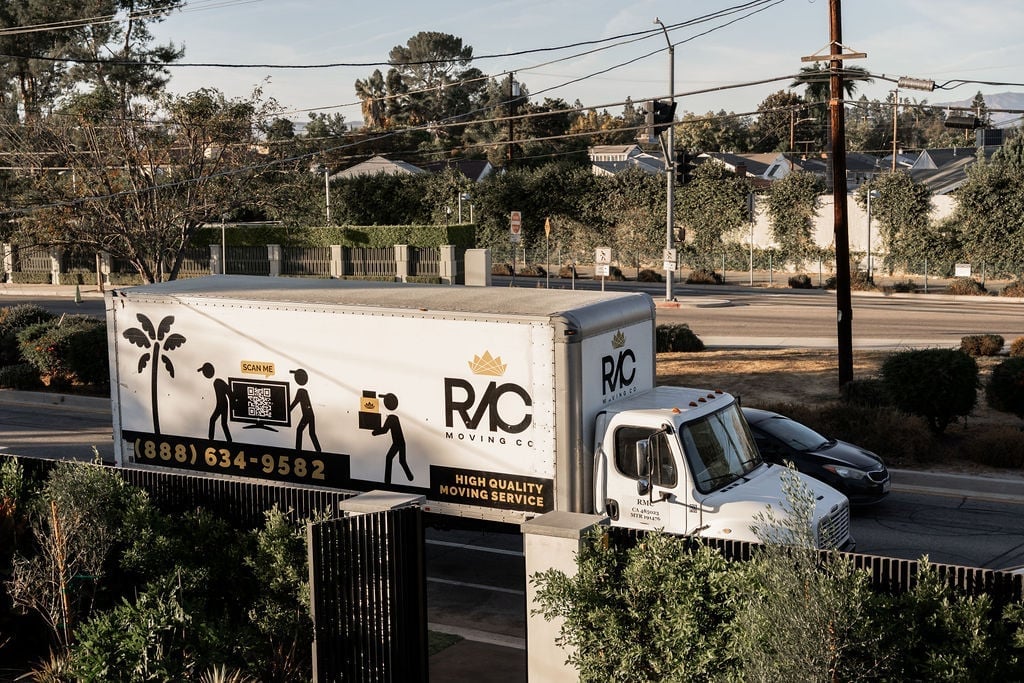
Between construction handover and opening day sits the FF&E phase: hundreds of line items, furniture, fixtures, and equipment, arriving from dozens of vendors on their own schedules, all of which must land, survive, stage, and install in the right rooms in the right order. We run that phase as a logistics program, because that is what it is. The FF&E line on the schedule stops being the one everyone worries about.
Receiving, warehousing, sequenced delivery, and installation, managed against the FF&E schedule your project lives on.
The Opening Date Is an FF&E Logistics Problem
Every fit-out, hotel, office, restaurant group, medical suite, multifamily amenity package, hits the same wall: the building finishes faster than the furniture coordinates. Royalty Moving & Storage runs FF&E as a managed program: vendor freight received against the project's line-item schedule, every piece inspected on arrival with damage flagged inside claim windows, inventory warehoused and tracked by area and room number, and deliveries released to site in the sequence the construction and design teams dictate, floor by floor, room by room, as spaces become ready. Procurement teams feel the difference first: freight stops arriving at a construction site that cannot receive it, and starts arriving at a warehouse that exists to.
Installation crews assemble and place to the drawings: casegoods built, seating set, fixtures positioned, and each area punch-ready as it completes. The program reports continuously, received, damaged, outstanding, installed, so project managers see FF&E status the way they see every other trade. Phased openings, model units, and renovation waves run on the same structure. Attic stock, the spare tiles, extra fabric, and replacement parts every project specifies, inventories and stores beyond the opening, retrievable when housekeeping or facilities calls for it.
Six layers between vendor POs and an opening-ready building. Together they make FF&E a managed trade on the schedule instead of a cloud of vendor emails.
Scheduled Receiving
Vendor freight lands against the FF&E schedule, with arrivals logged to the project's line items the day they hit the dock.
Arrival Inspection
Every carton and crate inspects on receipt, so vendor and freight claims happen inside their windows instead of after the opening. Vendor scorecards fall out of the data naturally, which procurement appreciates at the next project.
Area-Coded Warehousing
Inventory stores tagged by building area and room number, retrievable in exactly the order the site will call for it.
Sequenced Site Delivery
Releases flow to the building as floors finish: never early enough to clutter the trades, never late enough to stall the punch. Trades keep their floors clear, and the punch list stops competing with cardboard.
Install to Drawings
Crews assemble and place to the FF&E drawings, room by room, until each area stands punch-ready.
Program Reporting
Received, damaged, outstanding, and installed counts report continuously, so FF&E status is never a mystery in the OAC meeting.
Four phases between procurement and the ribbon. The program's reporting cadence matches your OAC meeting schedule, so status arrives before it is asked for.
01
Program Setup
FF&E schedule, drawings, and vendor list align; freight starts routing here.
02
Receive and Warehouse
Inspected on arrival, logged to line items, stored by area code.
03
Sequenced Releases
Deliveries flow to site floor by floor as construction hands over.
04
Install and Report
Assembled and placed to drawings, with status reported to the project team.
FF&E crews serve fit-outs across the metro: hospitality, office, healthcare, restaurant groups, and multifamily projects alike. Renovation waves in occupied buildings, hotels refreshing floor by floor, offices re-stacking, run the same sequenced structure around live operations.
A Managed Program vs. Freight Arriving at a Construction Site
The general contractor did not budget for receiving furniture, and it shows. Every GC has watched an opening slip over furniture; none of them enjoyed explaining it.
Typical Movers
Freight meets job site
Cartons stacking in finished rooms, blocking trades
Damage discovered at install, claims long expired
Nobody able to say what has arrived versus not
Deliveries showing up to floors still in drywall
Opening week spent hunting line items
Royalty Moving & Storage
The FF&E program
Freight held off-site until each area is ready
Inspection on arrival, claims filed on time
Live received and outstanding reporting
Releases sequenced to construction handover
Opening week spent opening
Included With FF&E Logistics
The program standard, end to end.
Project Receiving
Freight accepted and logged to your line items.
Inspection on Arrival
Damage caught inside claim windows.
Area-Coded Storage
Warehoused by building area and room.
Sequenced Delivery
Released as construction hands over.
Installation Crews
Assembled and placed to the drawings.
Licensed and Insured
Washington UBI #605117720 and permit THG070945.
Put the FF&E Phase on Rails
One program setup turns vendor chaos into a sequenced, reported, opening-ready flow.
Against the project’s scope: receiving by piece volume, warehousing by footprint and duration, and delivery-and-install phases quoted flat against the schedule. The structure maps cleanly onto FF&E budgets, which is the point. Budget drawdowns report against the program monthly, so finance sees FF&E spend the way it sees every other line.
2. Can you receive freight months before our opening?
Yes, that is the normal shape of these programs: procurement lands across a season, warehouses by area code, and releases when the building is finally ready for it. Storage terms flex when openings slip, because openings slip.
3. What happens when vendor pieces arrive damaged?
They are caught at inspection, photographed, and reported the same day, inside the freight and vendor claim windows. Replacements route back through the same program loop and the reporting tracks them.
4. How do deliveries coordinate with the general contractor?
Through sequenced releases: areas release for FF&E as the GC hands them over, and the delivery schedule lives alongside the construction schedule in your project meetings. Site supervisors get delivery manifests in advance, so dock time and elevator use are scheduled like any other trade.
5. Do your crews install or just deliver?
Install: casegoods assembled, furniture placed to the drawings, fixtures positioned, and each room left punch-ready. The line between delivery and trade work is drawn clearly per project at setup.
6. Can you handle a phased or multi-building opening?
Yes, the area-coded structure exists for exactly that: each phase receives, stages, and installs as its own wave inside one program. Call (206) 278-2134 to scope the phasing against your schedule.
7. Are you insured for commercial FF&E work?
Yes. Royalty Moving & Storage operates under Washington UBI #605117720 and household goods permit THG070945, with the commercial coverage and site certificates general contractors require.