Getting to Know Santa Fe Springs
How Santa Fe Springs Sits
Santa Fe Springs is a city in southeast Los Angeles County, about fifteen miles southeast of downtown Los Angeles. It is one of the Gateway Cities. It covers roughly nine square miles and had about 18,000 people at the 2020 census. That is a small number for its size, because most of the land is industrial rather than residential. It borders Whittier, Pico Rivera, Downey, Norwalk, Cerritos, and La Mirada, with the unincorporated Los Nietos area woven through its northern edge.
The city is built for industry. A large majority of its land is zoned for manufacturing and logistics, and about 3,100 businesses operate here, from warehouses and distribution centers to factories and machine shops. The corridors along Norwalk Boulevard, Telegraph Road, and Los Nietos Road hold modern tilt-up warehouses and business parks. Quick access to the 5, 605, and 105 freeways and the nearby ports of Long Beach and Los Angeles drives the demand. The residential areas are smaller, concentrated around Los Nietos and the city’s parks.
Santa Fe Springs also keeps its history close. Heritage Park, a reconstructed late-1800s ranch estate with a historic railroad exhibit, sits on the site of the old sulfur-spring health resort that gave the city its start. The Hathaway Ranch Museum preserves the ranching, farming, and oil-field equipment that shaped the area. The city even has a place in car history, as the spot where Carroll Shelby built the first Shelby Cobra in 1962.
From Sulfur Springs to an Oil Boom to Industry
The land was home to the Tongva people and later part of the largest Spanish land grant in California, the Rancho Santa Gertrudes of Jose Manuel Nieto. In 1871, Dr. James Fulton drilled a well, struck a sulfur spring, and by 1874 had built a health resort around it, Fulton’s Sulfur Wells, drawing about 400 patients a year. In 1886 the Atchison, Topeka and Santa Fe Railway bought land from Fulton for its Los Angeles to San Diego line, and the springs took the railway’s name.
Oil made the modern city. In 1921 the Union-Bell well blew in as a 2,500-barrel gusher. Within a year the Santa Fe Springs field was one of the richest oil pools in history. Promoters bused investors in, served lunch in circus tents, and sold stock in wells. At its 1920s peak, the field produced as much as 345,000 barrels a day, more than Signal Hill or Huntington Beach.
As the oil slowed, industry took its place. After the Second World War, factories and warehouses filled the old fields, and Santa Fe Springs incorporated as a city on May 15, 1957. It grew into one of the densest industrial hubs in the county, while keeping its parks, museums, and a small residential community. The oil town became the logistics and manufacturing center it is today.
What a Santa Fe Springs Move Really Involves
Santa Fe Springs is mostly industrial, so most moves here are business moves that turn on the building and its docks rather than distance. The first thing we settle is the access. For a warehouse or factory, that means the loading docks, the clear height, the truck court, and where forklifts and pallet jacks can work. For an office or a home, it means the parking, the entrance, and the carry. We confirm all of it before move day.
The operation is the next factor. A working facility cannot stop for long. So we plan the move around your production and shipping schedule and coordinate dock time at both ends. We sequence the equipment, racking, and inventory so the most critical lines come back first. For an office, we time the move for evenings or weekends. For a home, we plan around your day.
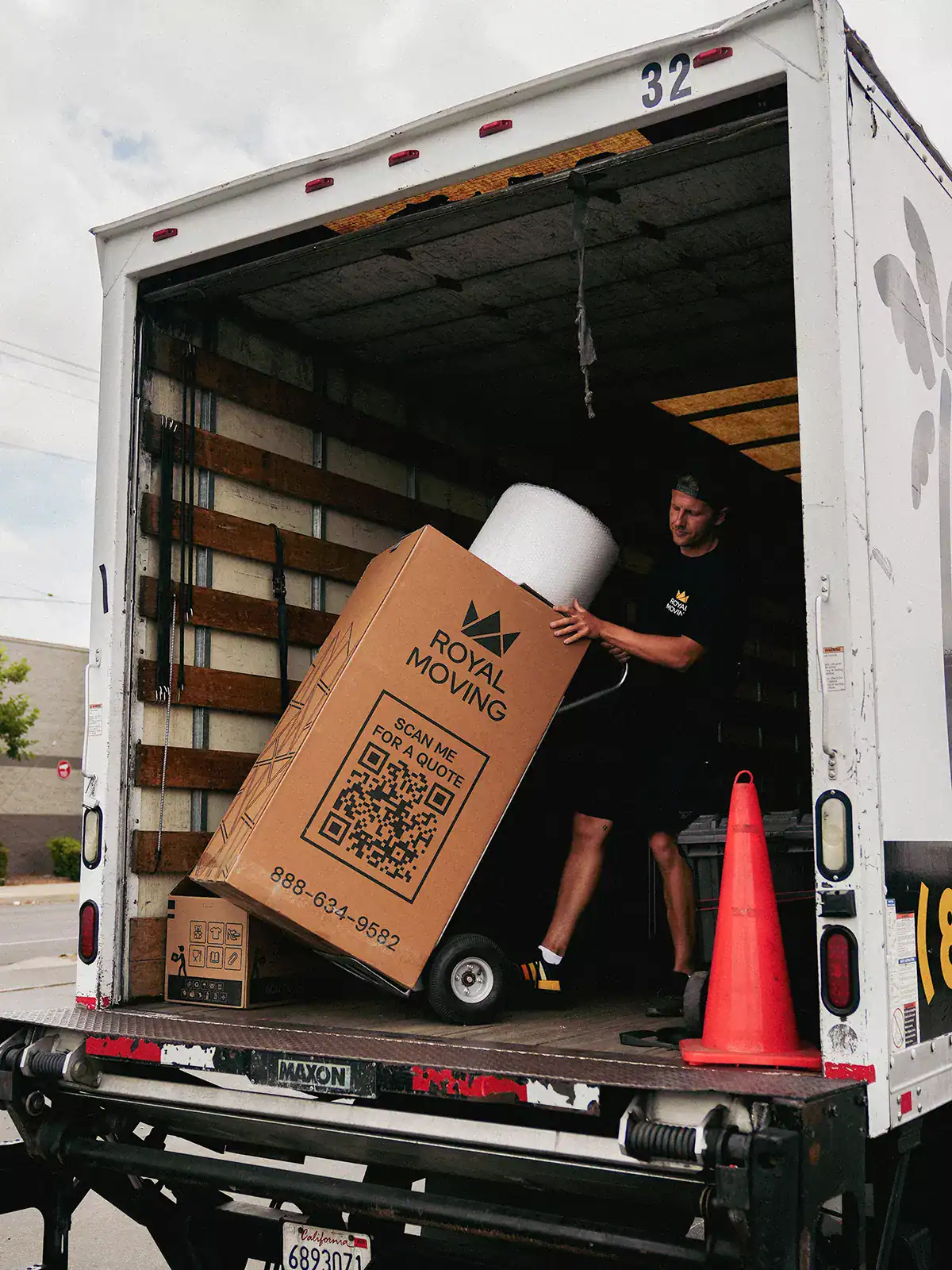
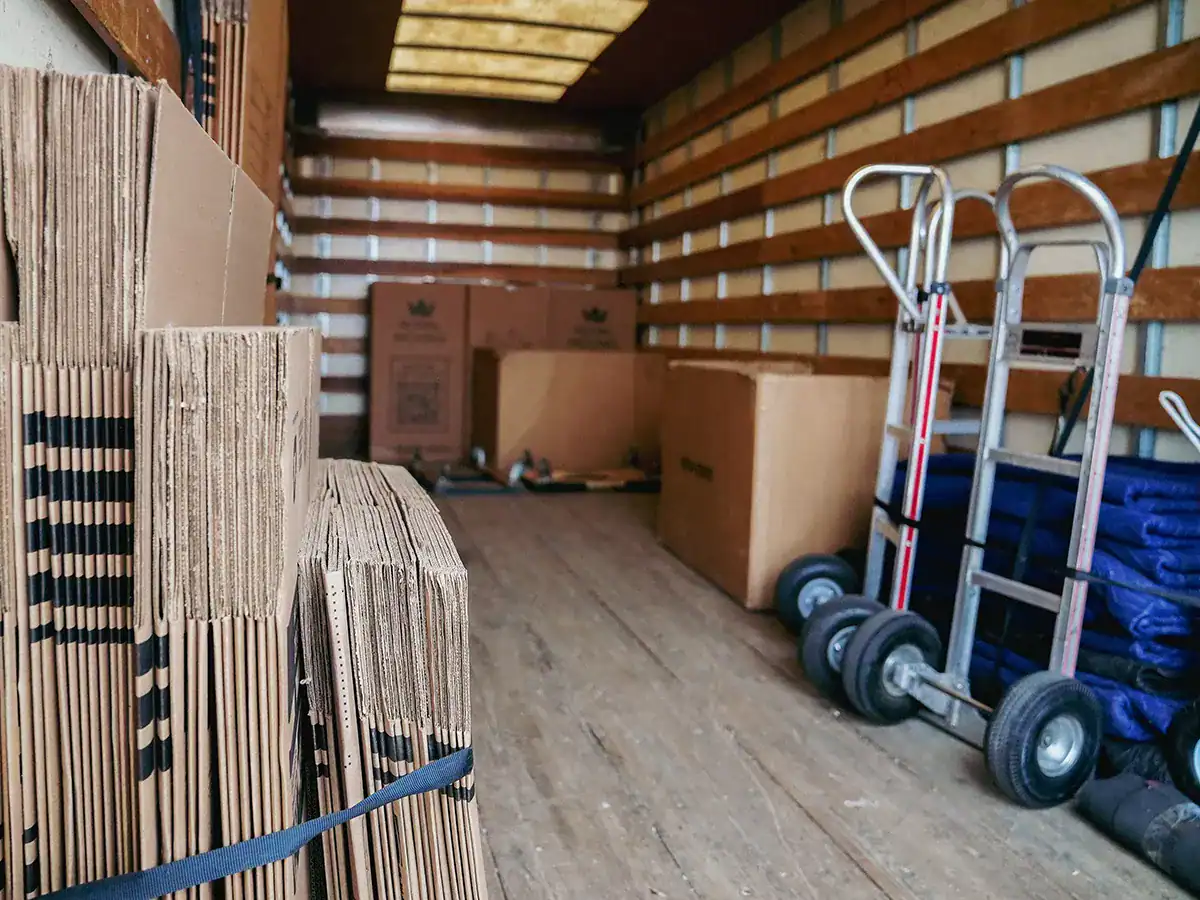
The third factor is the handling. Machinery, racking, electronics, and office furniture each need their own approach, and we bring the equipment and protection to match. We pad and wrap furniture and fixtures, protect floors and doorways, and build a handling plan for heavy machinery and high-value items in advance. With the docks, the schedule, and the handling settled before move day, the crew keeps moving once it arrives.