Getting to Know West Hollywood
How West Hollywood Is Laid Out
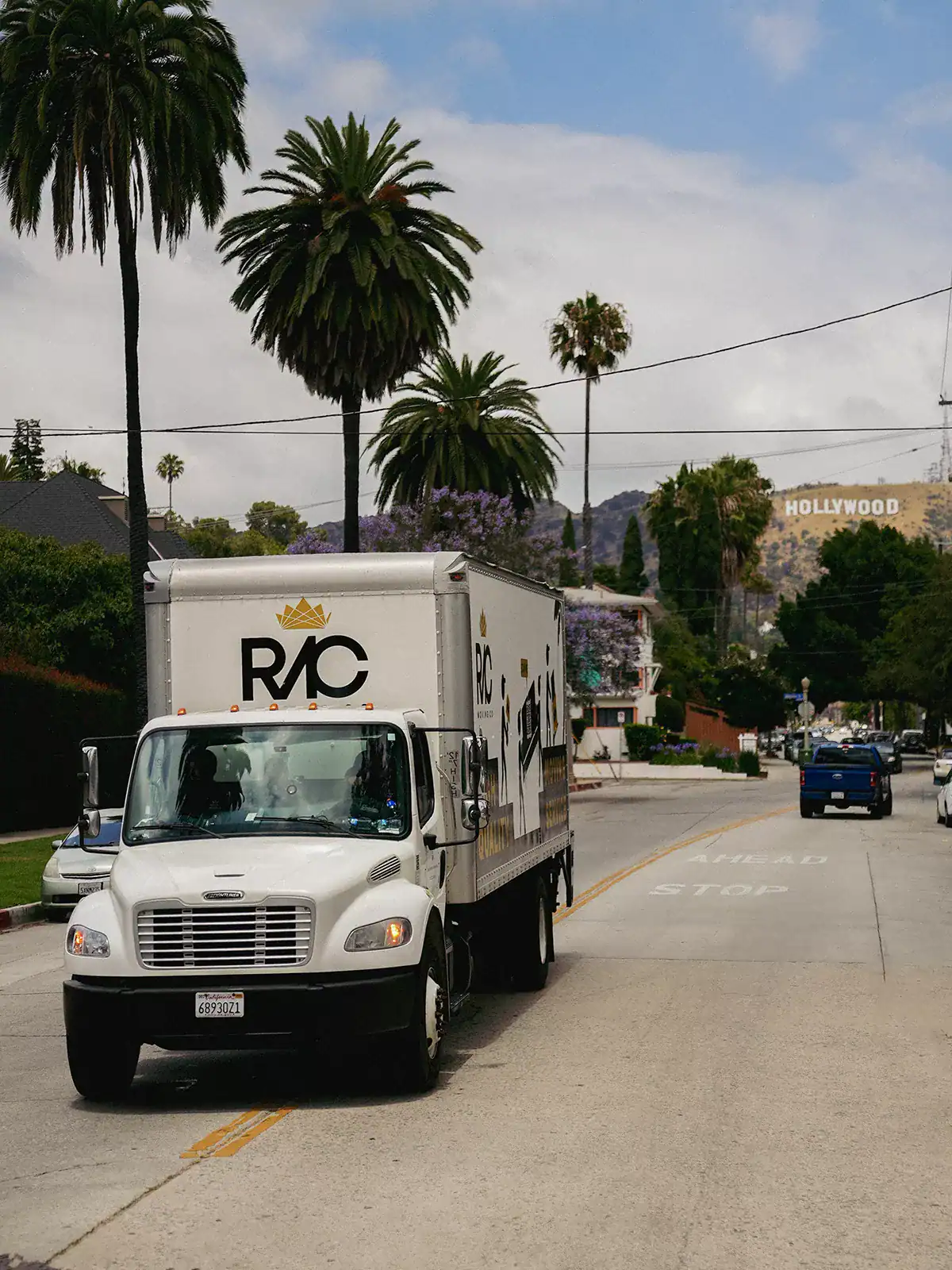
West Hollywood is its own city, not part of Los Angeles. It sits at the foot of the Hollywood Hills, about six miles west of downtown LA, and at just 1.9 square miles, it is one of the smallest cities in the county. It is also one of the densest, with close to 19,000 people per square mile. Because it runs itself, WeHo sets its own rules on parking, permits, and trucks, separate from the City of Los Angeles.
The city is small but varied. The Sunset Strip runs along the north edge, a 1.5-mile stretch of Sunset Boulevard known for its music clubs and hotels, while Santa Monica Boulevard cuts through the middle and holds the heart of the city’s LGBTQ+ life and nightlife. The Design District, around Melrose Avenue and Robertson Boulevard, is full of galleries, showrooms, and shops. In between sit block after block of apartments, from old courtyard buildings to new condos. Beverly Hills sits to the west, and Los Angeles wraps around the other sides.
How West Hollywood Became a City
The land was home to the Tongva people long before it grew as an unincorporated patch of Los Angeles County, outside the reach of the LAPD. In the 1920s, when gambling and drinking were prohibited in the city of LA, nightclubs and casinos sprang up along Sunset Boulevard, which is how the Strip first began.
Over the years, the area drew people who felt pushed out elsewhere, including a large gay community and many Russian Jewish immigrants. By the early 1980s, rents were climbing fast, and the county was about to drop its rent-control rules. So in 1984, a coalition of renters, seniors, and gay activists voted to make West Hollywood its own city. The new city council, the first in the nation with an openly gay majority, passed one of the strongest rent-control laws in the country right away. That history still shapes the city today, from its renters to its role as a center of LGBTQ+ life.
What a West Hollywood Move Really Involves
Because WeHo governs itself, the rules that shape a move come from the city, not from Los Angeles, and most of them come down to parking. Nearly every block has permit parking, so a truck cannot just park and stay. For bigger moves, the city hands out temporary no-parking permits that hold curb space right at your address, and these have to be lined up and posted ahead of time.
The buildings are the next piece. So much of WeHo is apartments and walk-ups that stair carries, tight stairwells, and narrow doors are part of almost every move. Many older buildings have no elevator and no dock. Newer condos do have elevators, but they need a booking and often a certificate of insurance from the building. Rent-controlled buildings may set their own move-in windows, too.
Traffic is the last piece. The Strip and Santa Monica Boulevard stay busy, so we schedule the move to dodge the worst of it. Everything else the permits, the building access, the right truck for the street we line up beforehand, so nothing holds up the job once we are there.