Getting to Know Hollywood
How Hollywood Is Laid Out
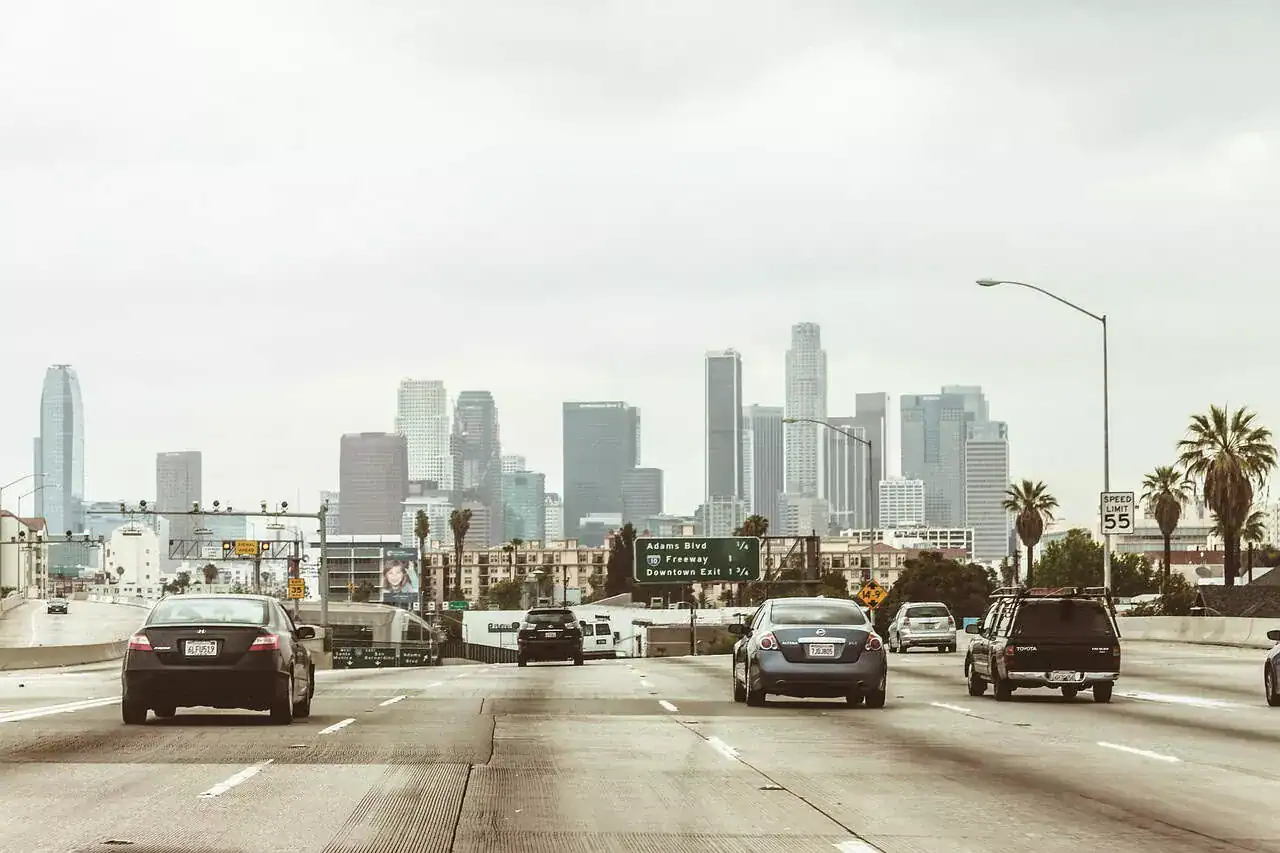
Hollywood is a district of the City of Los Angeles, not its own city, which sets it apart from neighboring West Hollywood. It sits in central LA, framed by the Hollywood Hills to the north and built around a few main corridors: Hollywood Boulevard, Sunset Boulevard, and Vine Street. To the east, neighborhoods like Thai Town and Little Armenia add to the area’s mix. The Metro B Line subway runs beneath it, with stations at Hollywood and Highland, Hollywood and Vine, and Hollywood and Western, giving residents a direct rail link to downtown and North Hollywood. The 101 freeway cuts through the district and ties it into the rest of the city.
The Heart of the Entertainment Industry
Hollywood is the historic center of American film and television, and its landmarks reflect that. The Walk of Fame runs along Hollywood Boulevard and Vine Street with more than 2,700 stars set into the sidewalk. The TCL Chinese Theatre, with its courtyard of handprints and footprints, and the Dolby Theatre, home of the Academy Awards, both sit on the Boulevard. Above it all, the Hollywood Sign has stood on the hillside since 1923, when it was first built to advertise a housing development. Nearby, Universal Studios Hollywood in Universal City and the La Brea Tar Pits near the Miracle Mile round out the area’s best-known attractions.
What a Hollywood Move Really Involves
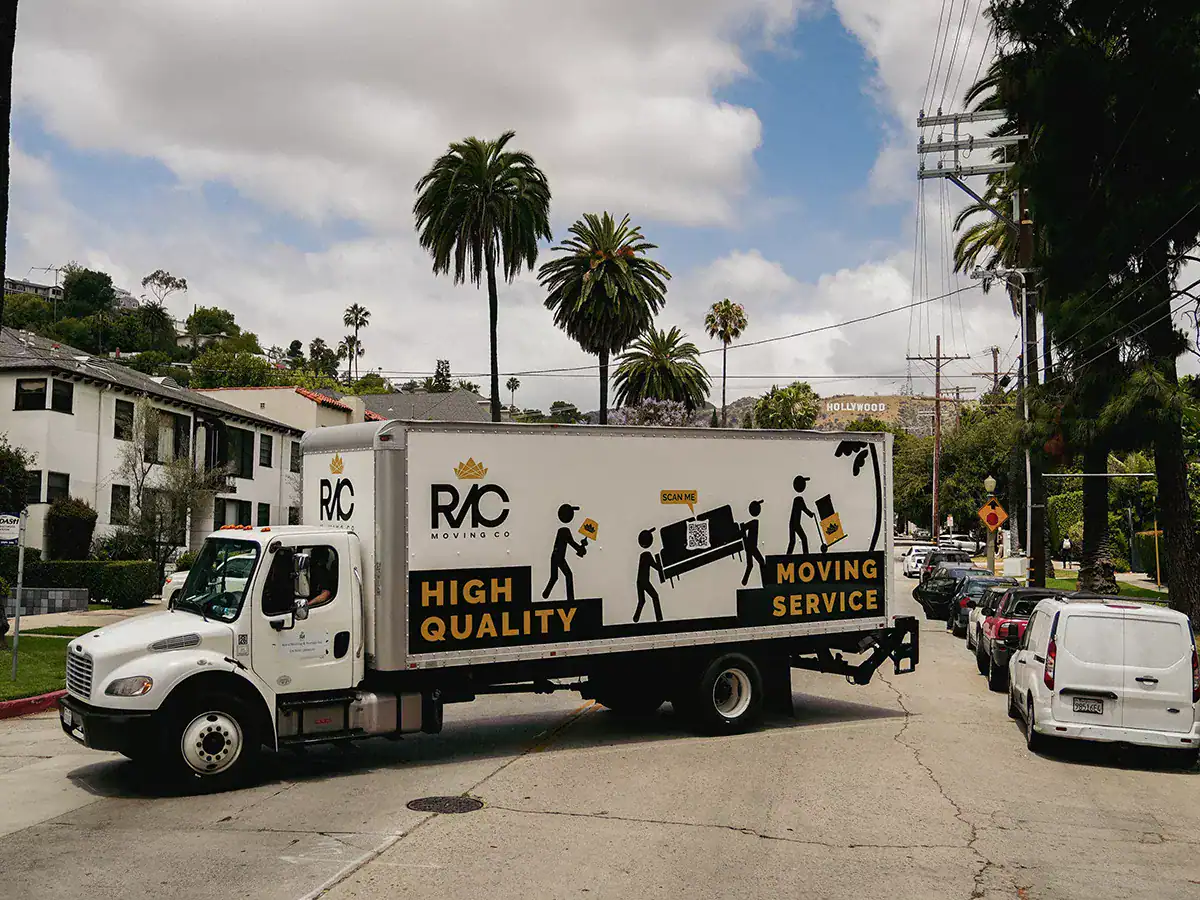
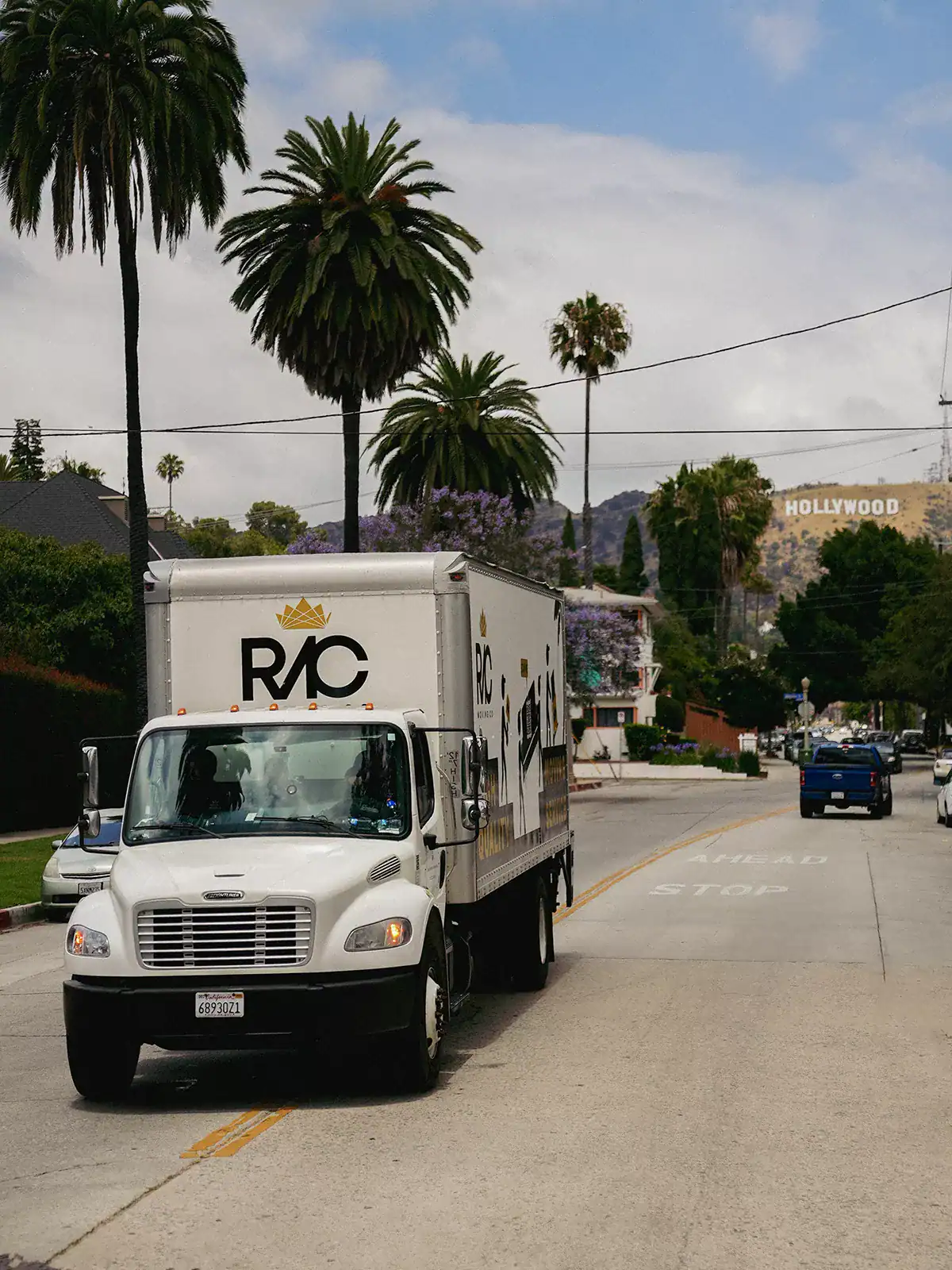
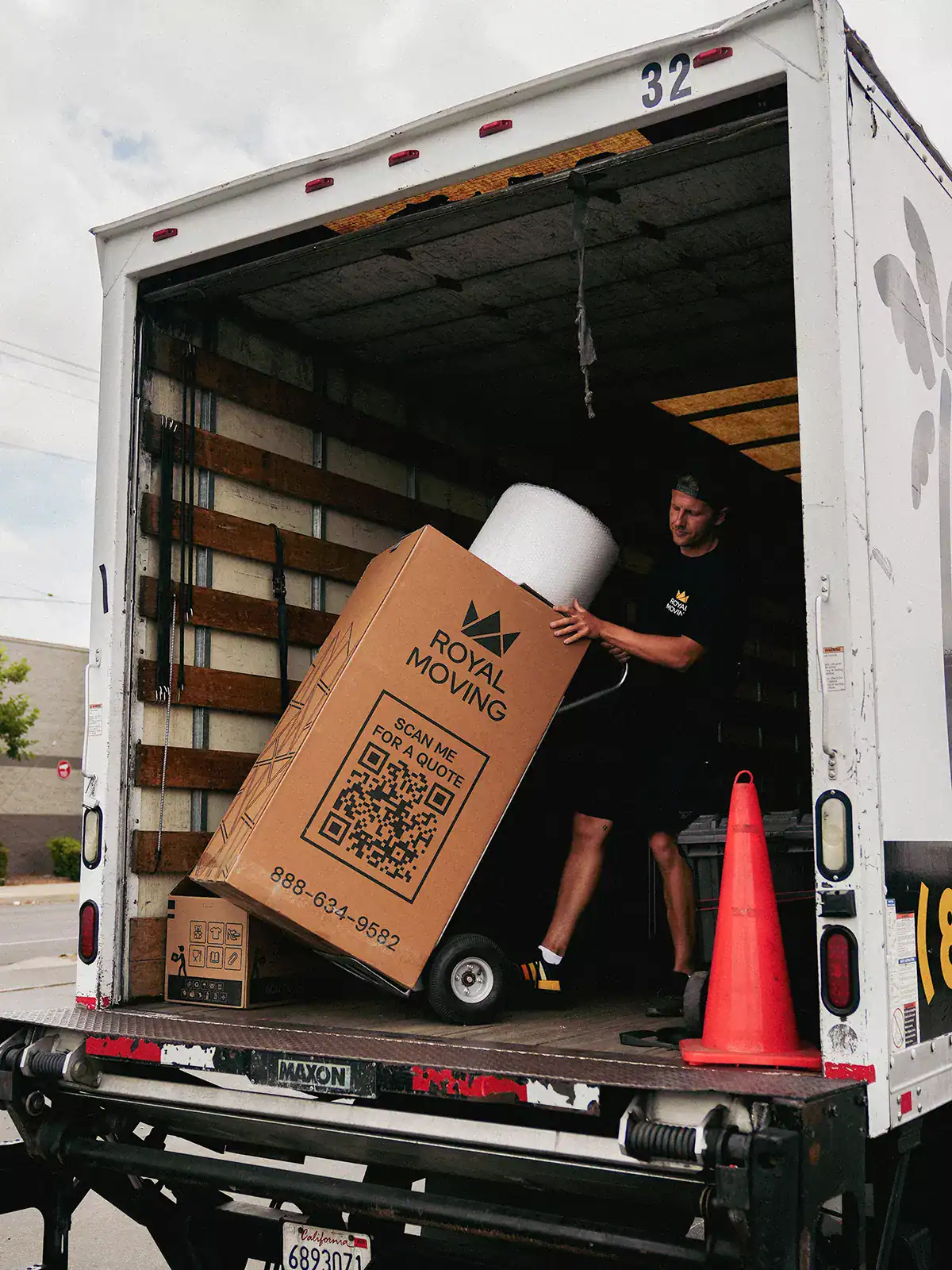
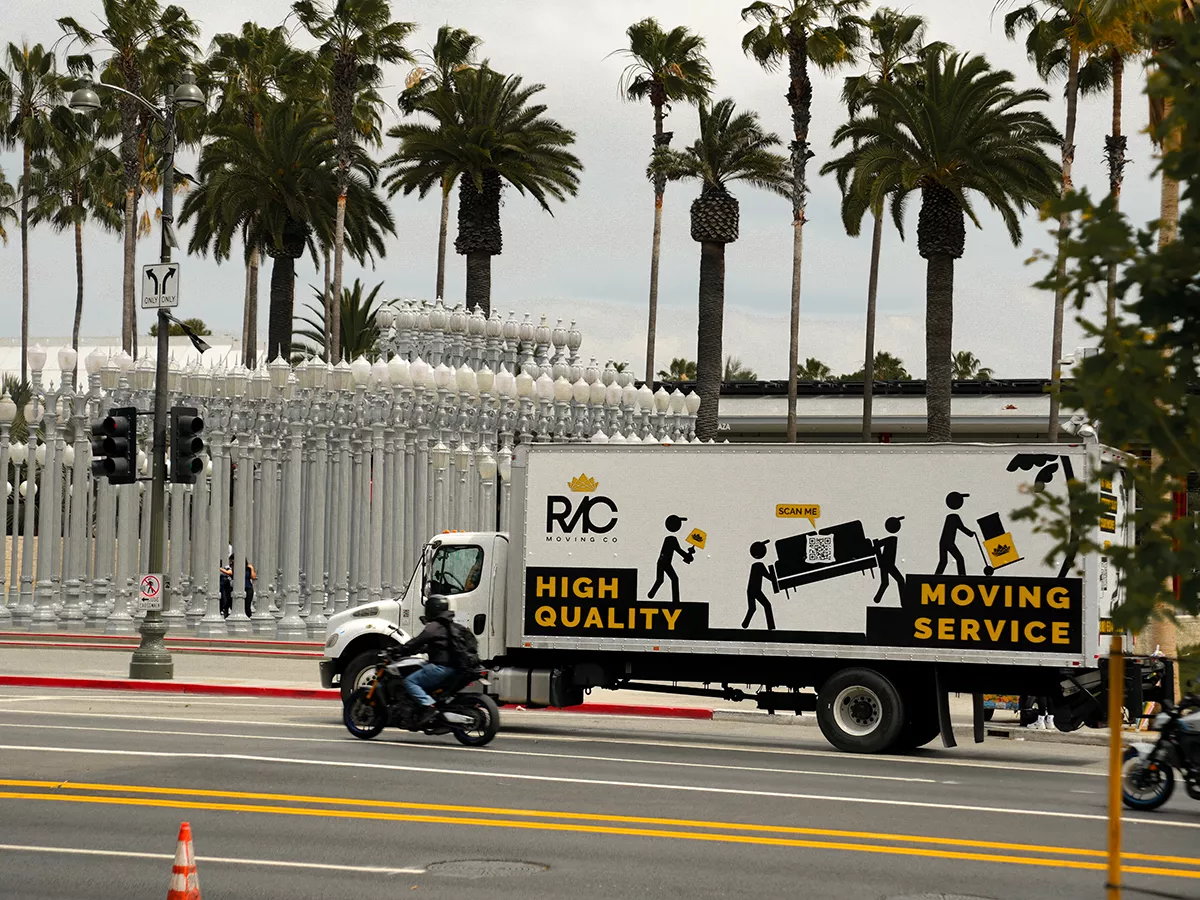
Most Hollywood moves involve apartments and high-rise condos, which brings its own set of steps. Buildings along the busy corridors often require elevator reservations, loading-dock windows, and certificate-of-insurance paperwork through management, all of which we arrange ahead of the day. Street parking is tight, so for larger moves we handle the permits that reserve curb space at the address. The Boulevard and the areas around the landmarks stay crowded with tourists, and film production occasionally closes streets, so we time the move and plan the route to work around it. For homes up in the Hollywood Hills, the narrow, winding roads call for a truck sized to the street, and we bring a smaller shuttle when a full truck cannot get close.